Connecting content and CRM behind a brand new offer.
Content ran alongside the CRM, not into it.
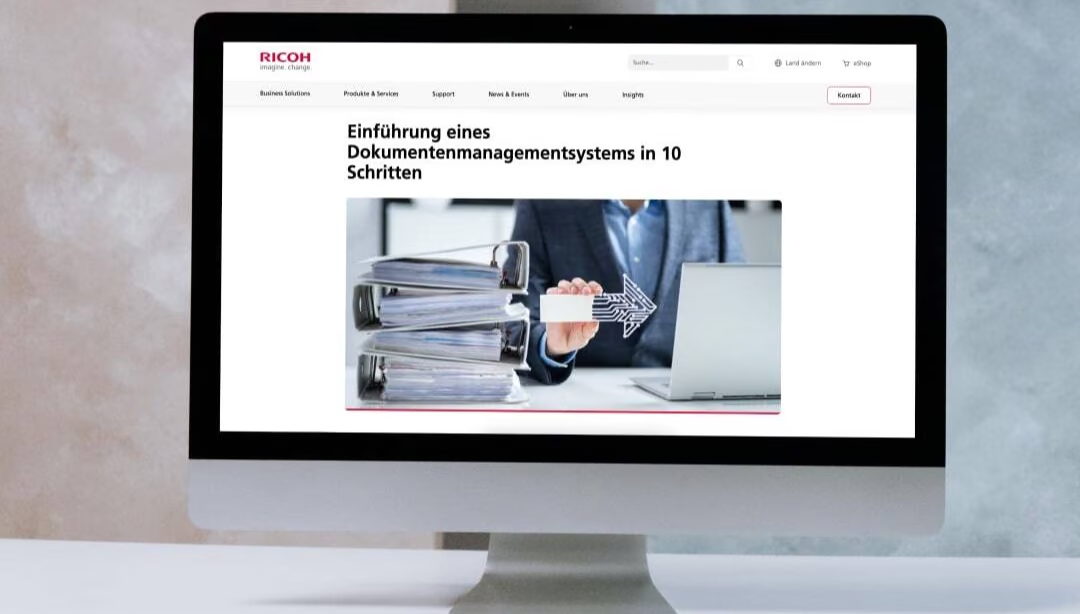
Ricoh sells information and transformation technology worldwide and helps its customers digitalise their business processes. The offer in question was new, complex, and not yet known to the people it was for. Marketing produced, sales sold, and the two met in a report. Campaigns created interest the CRM never learned about, and the CRM held signals that never reached the next campaign.
A gap like that costs nothing visible. Nobody can point at a lost deal and blame an article for it. It shows up as content that performs well by its own measures while the pipeline stays where it was.

Content with a job, not a calendar.
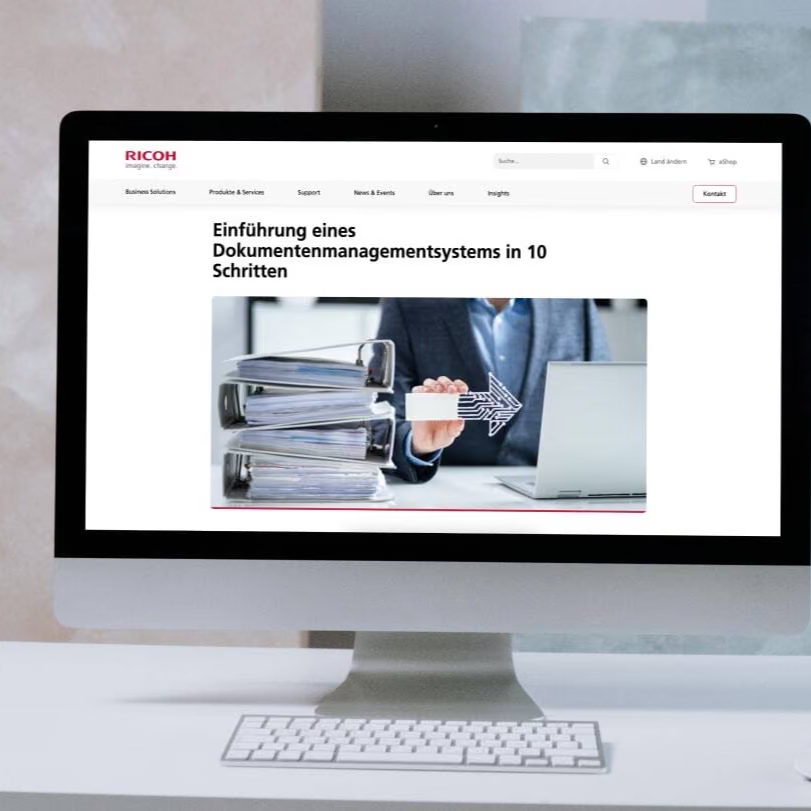
Every piece answers a question somebody actually asks. A workshop on target-group analysis with Ricoh produced the personas and the content strategy, so the starting point was the questions that come up before a purchase, not a publishing schedule with slots to fill.
One system, not two versions of the truth. Content, campaigns and contacts live where the sales team already works, so interest and conversation are the same record instead of two reports that have to be reconciled.
Measured against the pipeline. Reach and rankings are useful signals, but the question that decides next year's budget is whether a piece produced conversations that went somewhere.

Questions before topics
The list started with what buyers ask, not with what was easy to write.
One record, not two
Interest and conversation live in the same place.
Search with intent
Rankings matter most where the query says somebody is close to deciding.

Paid where it pays
Budget follows the segments that convert, not the ones that click.
Measured on pipeline
Every piece is judged by what it hands to sales.
Marketing and sales stopped keeping separate books.
Content built on real buyer questions, so it earns attention instead of buying it
Each piece answers something people ask before a purchase, which is also what makes it findable.
CRM and campaigns on one platform, so interest is visible where deals are worked
The signal a campaign produces reaches the person having the conversation, instead of a report nobody opens.
Search and paid aimed at intent, so budget follows the queries that decide
Google Ads, Facebook Ads and LinkedIn Ads ran against buying intent rather than reach, and a Google Manager account was set up so the same campaigns could run across markets. Attention early in the journey is cheap and plentiful; the spend belongs where a decision is close.
Reporting on pipeline, so content is judged by what it hands over
Reach and rankings stay as diagnostics. What settles the budget is the conversations that followed.

The interest reached the CRM, and the CRM showed it.
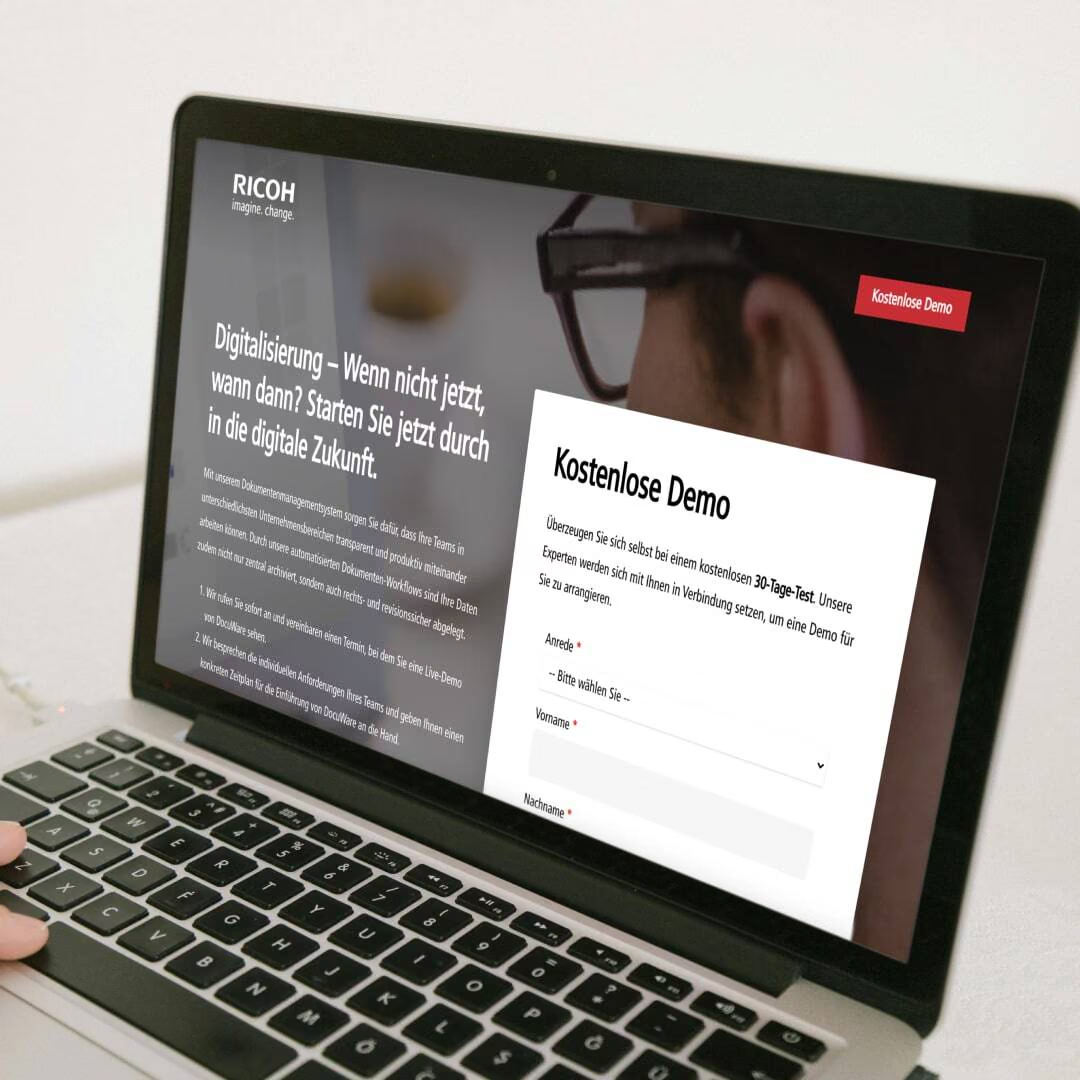
Conversions rose by 365 % against the previous quarter, and traffic from content marketing by 190 %. An automated nurturing journey now follows up on prospects, and its e-mails reach an open rate of 10.5 %. An offer that few in the target group had heard of now produces interest the CRM can see and sales can act on.
Three factors carried it: landing pages written for specific target groups and addressing prospects directly, product awareness built through SEO-relevant blog posts and ads, and the use of remarketing and prospecting.



The Agentic Growth Stack in four phases.
Four phases that build on each other. Each one ends in something usable rather than a presentation — a roadmap you can budget, a platform in production, an operation the team carries, and agents working inside the process.
Plan
We establish where you stand, sharpen the goals and set a roadmap that fits your data, your processes and your organisation.
Explore Plan services
Build
We build the platform: CRM, custom software and the data flows between them, properly integrated instead of side by side.
Explore Build services
Operate
We embed operations, adoption and security in everyday work, so the platform is carried by the team after the rollout.
Explore Operate services
Automate
Agents take over recurring work, monitored and measurable, with clear rules for governance and compliance.
Explore Automate services