
Learning who buys the furniture when dealers do the selling.
The dealers were known, the end customers were not.
Möbelwerke A. Decker has produced solid wood furniture from sustainable forestry in Germany for over 100 years — dining rooms, kitchens, office furniture — and sells worldwide through trading partners. That model moves furniture, and it puts somebody else between the factory and the person who eats at the table: the company had hardly any knowledge of its end customers and what they needed.
What the project had to change was the record. Decker wanted the activities of website visitors and prospects captured and a comprehensive view of its target group, so that products and marketing could be aimed at what end customers need rather than at what the trade channel passes back.


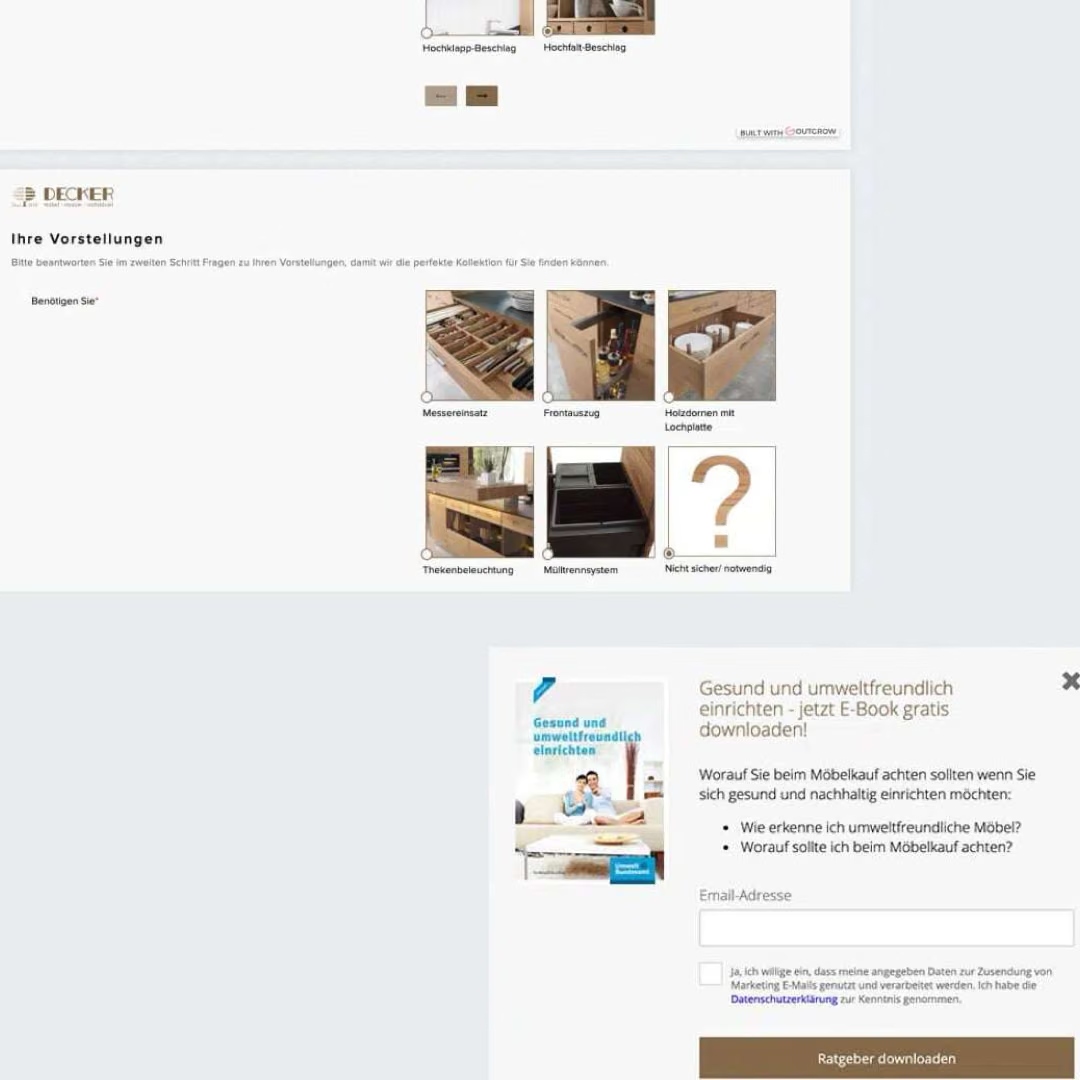


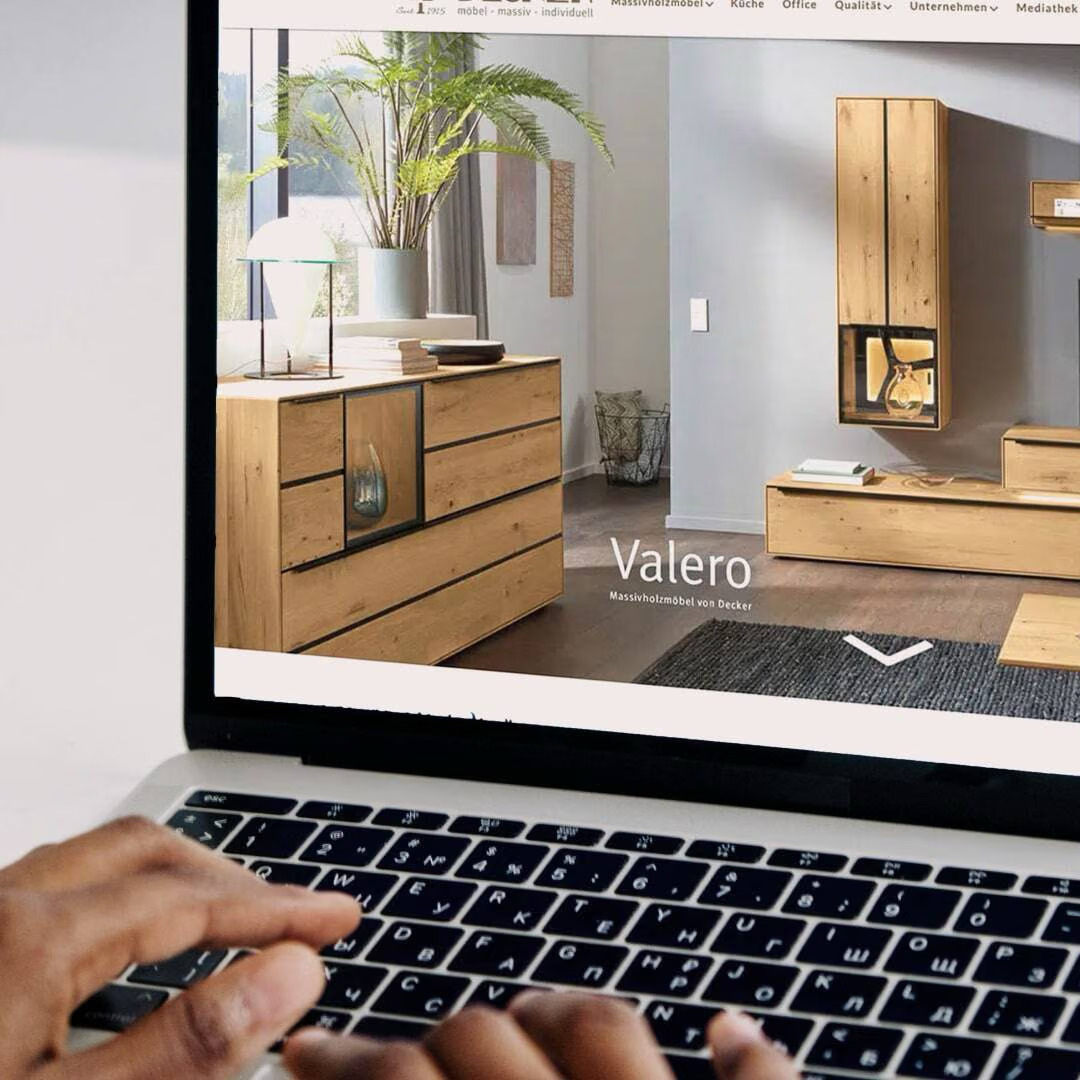

Collecting the data came before using it.
The data needed somewhere to live. A prospect database and a newsletter distribution list were built, with SALESmanago marketing automation implemented underneath them. The trading-partner model had never produced end-customer contacts of its own.
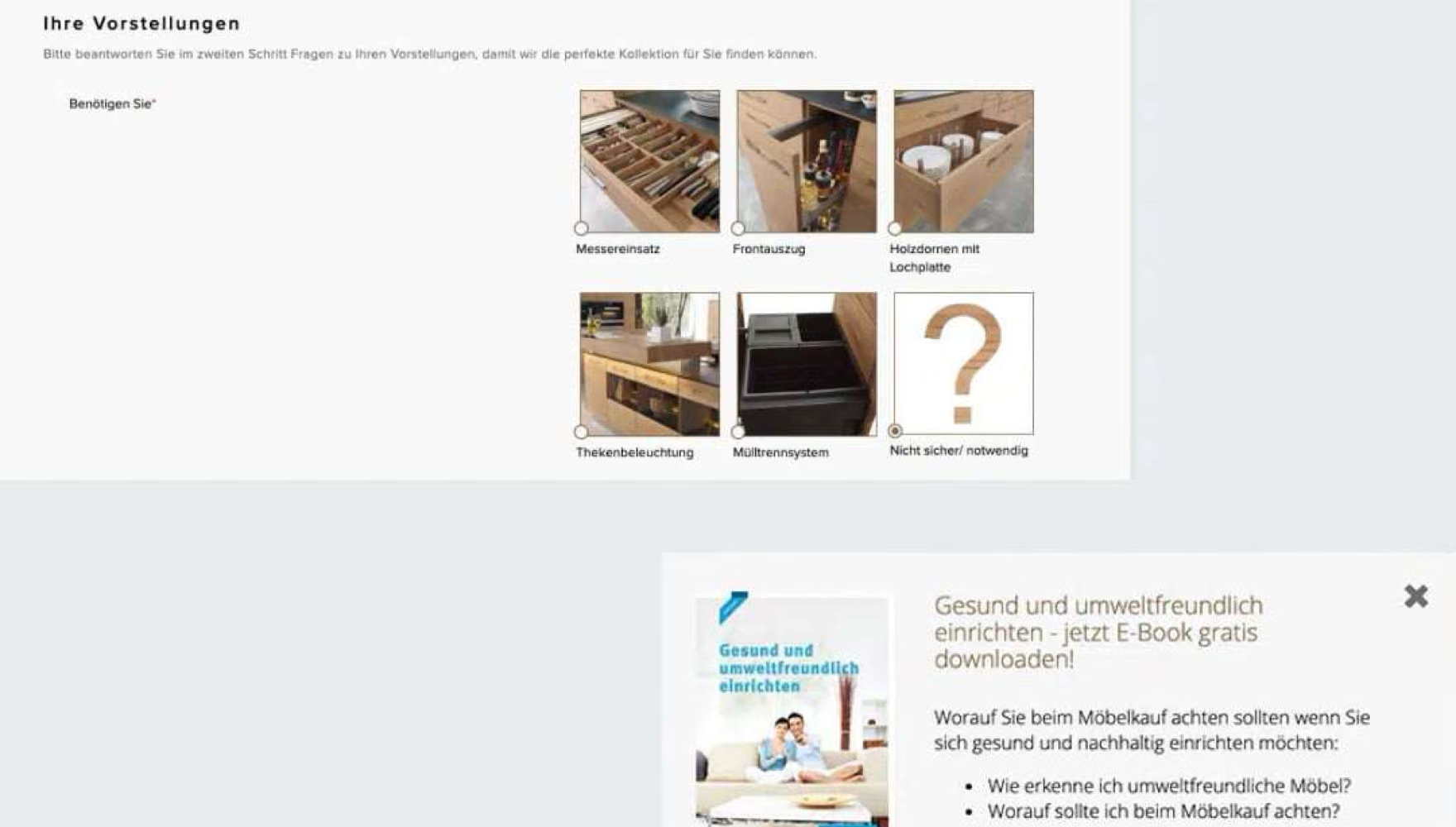
The second question was how the answers would be collected. Quizzes and surveys were created for gamified profiling and for customer feedback — entertaining to answer, and specific enough that the answers could carry the segmentation afterwards.
The third was pace. The measures were expanded step by step, with regular coordination, monitoring and adjustment, so each step could be judged before the next one was added.
Feedback, not just profiles
The quizzes and surveys collected customer feedback, not only profile answers.
Right time, less effort
Reaching customers with the right content at the right time was also meant to save time and resources.

Channels the contact uses
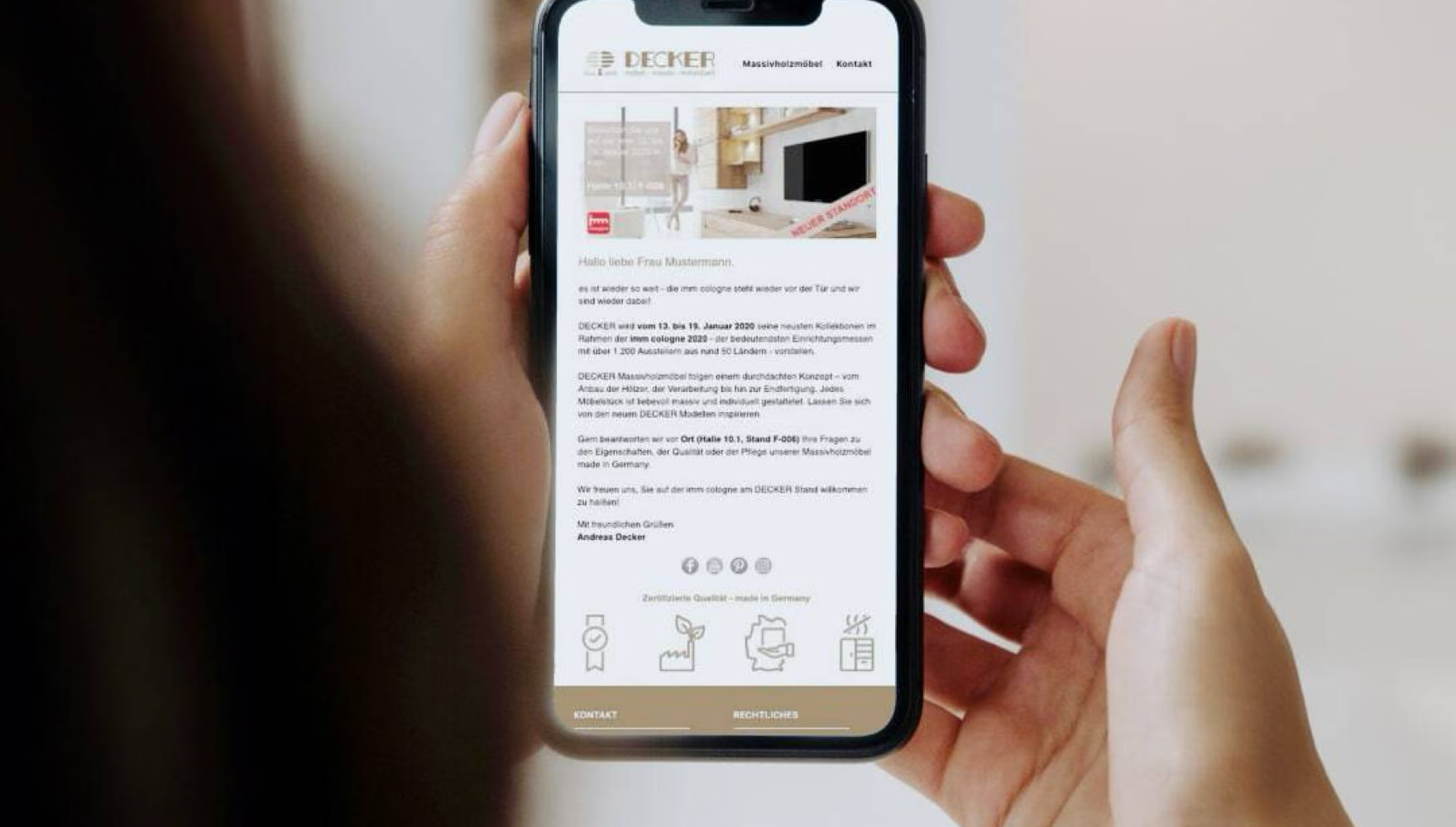
E-mail, web push, pop-ups, SMS and social media were wired in for the communication.

Mailings that run themselves
Campaigns and mailings to contacts were automated once the segments existed.

Recognised during the visit
User identification in real time meant a returning visitor was known while still on the site.
Guesswork about the end customer was replaced by answers people gave.
Quizzes and surveys instead of assumptions, so the target group described itself
6,000 quizzes and surveys came back completed. They were entertaining to fill in, and they produced data the trade channel does not report.
Four personas built from that data, so products and campaigns had someone to aim at
Personas and the customer journey were adapted continuously as new data arrived, rather than written once and filed.
One prospect database and one newsletter list, so the contacts were Decker's own
Segmentation by user behaviour decided who received what, on data the company collected itself rather than received from a partner.
Dashboards for evaluation and ROI, so marketing could be judged rather than described
Marketing success, return on investment included, was measured instead of asserted.

The contact database grew, and it finally described somebody.
The contact database grew by 75 %. 6,000 completed quizzes and surveys produced four new customer personas, and automated e-mails reached a click-to-open rate of 35 %.
The way there was deliberately unspectacular: regular coordination, measures expanded step by step, monitoring and adjustment. A manufacturer with over 100 years of craft tradition now understands the needs of its end customers well enough to aim products and marketing activities at them.



The Agentic Growth Stack in four phases.
Four phases that build on each other. Each one ends in something usable rather than a presentation — a roadmap you can budget, a platform in production, an operation the team carries, and agents working inside the process.
Plan
We establish where you stand, sharpen the goals and set a roadmap that fits your data, your processes and your organisation.
Explore Plan services
Build
We build the platform: CRM, custom software and the data flows between them, properly integrated instead of side by side.
Explore Build services
Operate
We embed operations, adoption and security in everyday work, so the platform is carried by the team after the rollout.
Explore Operate services
Automate
Agents take over recurring work, monitored and measurable, with clear rules for governance and compliance.
Explore Automate services