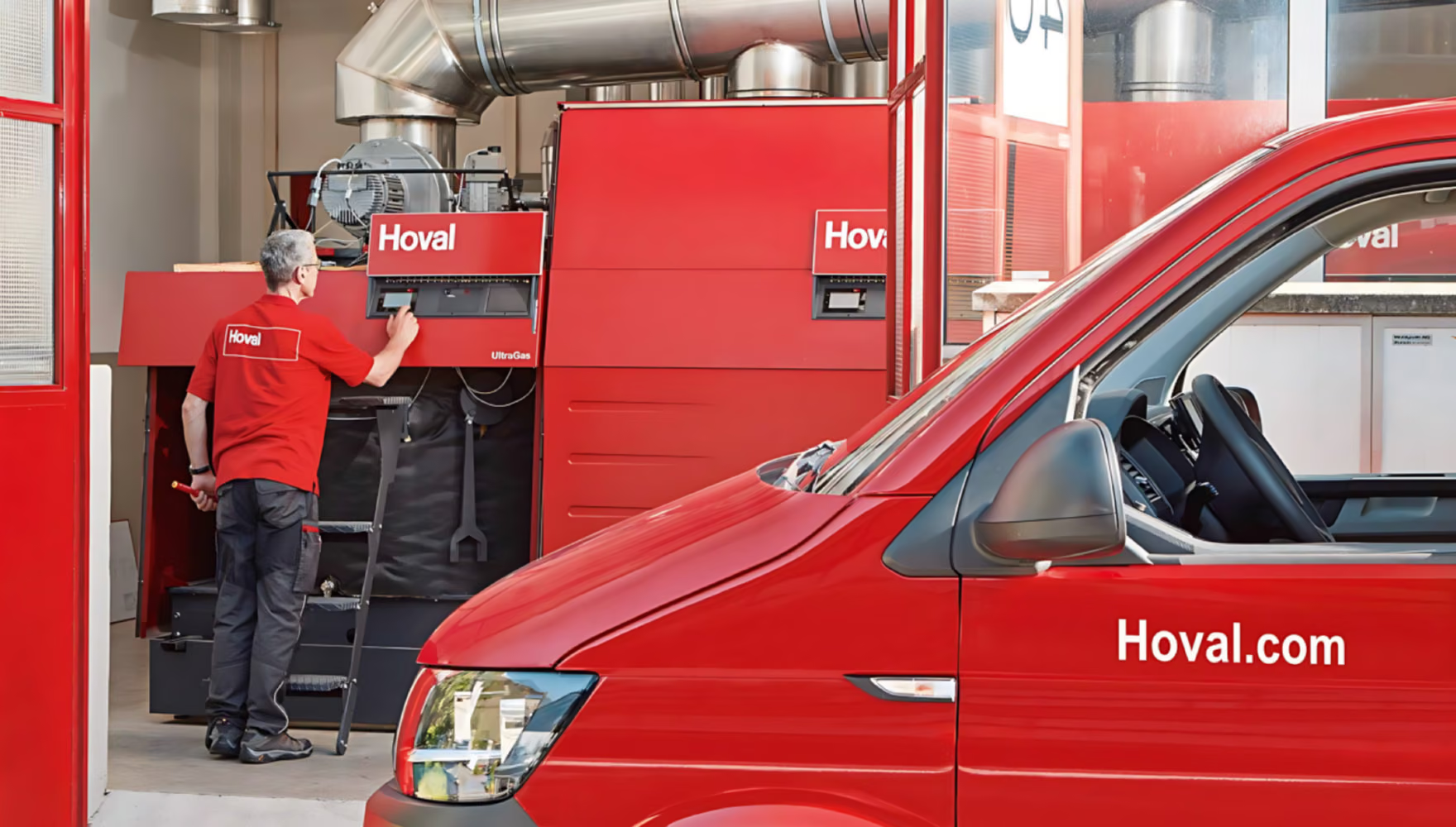
Agreeing one set of lead-management terms across the country subsidiaries.
Every country had a word for lead, and none of them matched.
Hoval builds complete systems for heating, cooling and ventilation and exports them to more than 50 countries. Lead management had grown up locally: generation and follow-up ran decentrally, with different tools, at different locations, in whatever shape each country subsidiary had settled on.
The data behind it was not maintained digitally in a uniform way and many steps were carried out by hand. Comprehensive reporting was therefore not possible: the group could not see its own lead management as one picture.


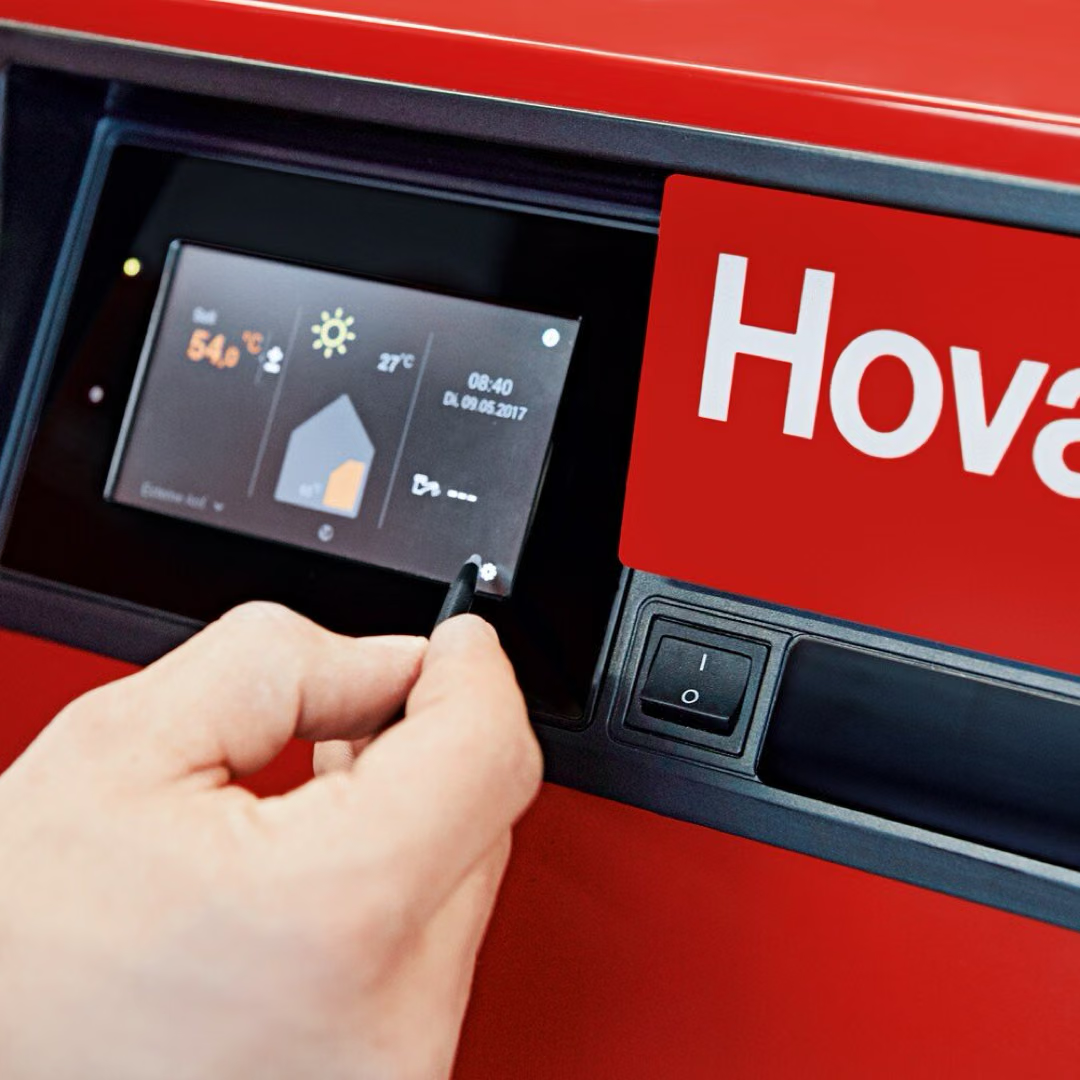
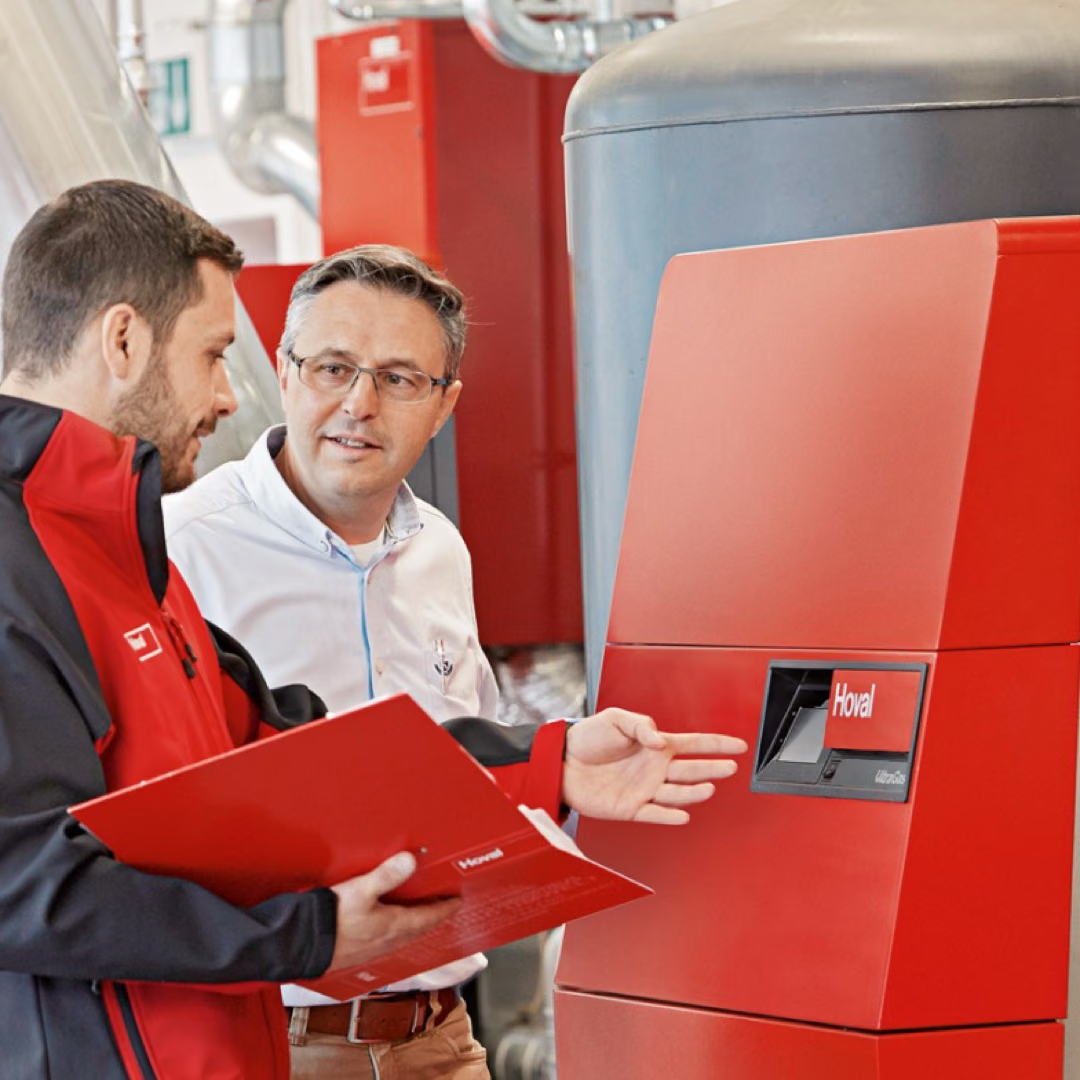
An evaluation first, and a target process instead of a rollout.
The work was an evaluation. Standardised group-wide lead- management processes were evaluated across the national companies, and what came out of it was a described target process rather than a system switched on.
A defined set of common lead-management terms was one of the four things the work produced. A standardised group-wide process has to be written in one vocabulary, and the terms are that vocabulary.
The as-is summary was written in German and English. The people who have to recognise their own work in a process description do not all work in one language, and workshops and interviews deliberately took in participants in different positions and from different countries.
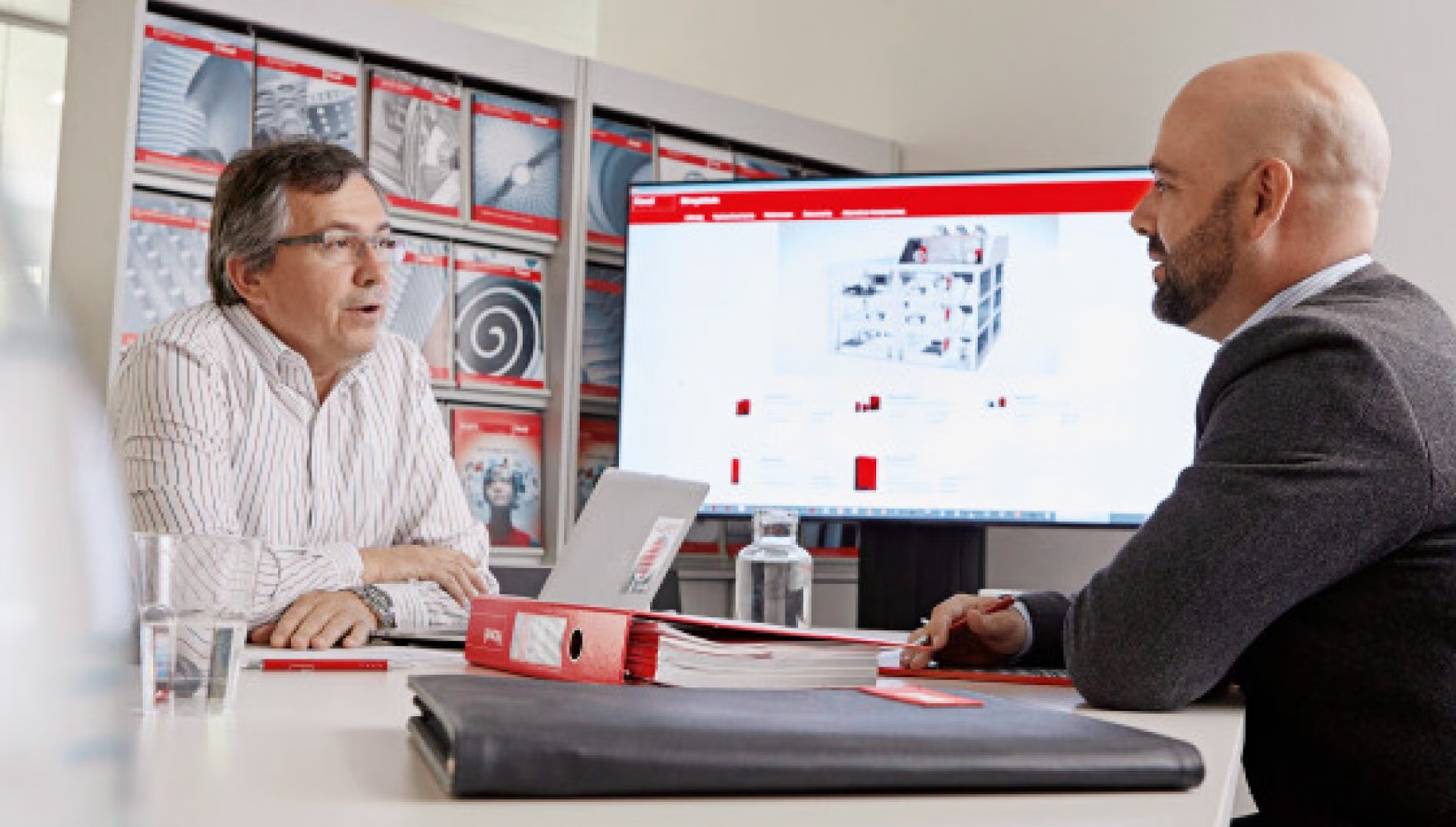
Workshops and interviews
The as-is picture came out of workshops and interviews in the national companies.

Lead sources counted
The analysis went through the various lead sources and marketing measures already in use.
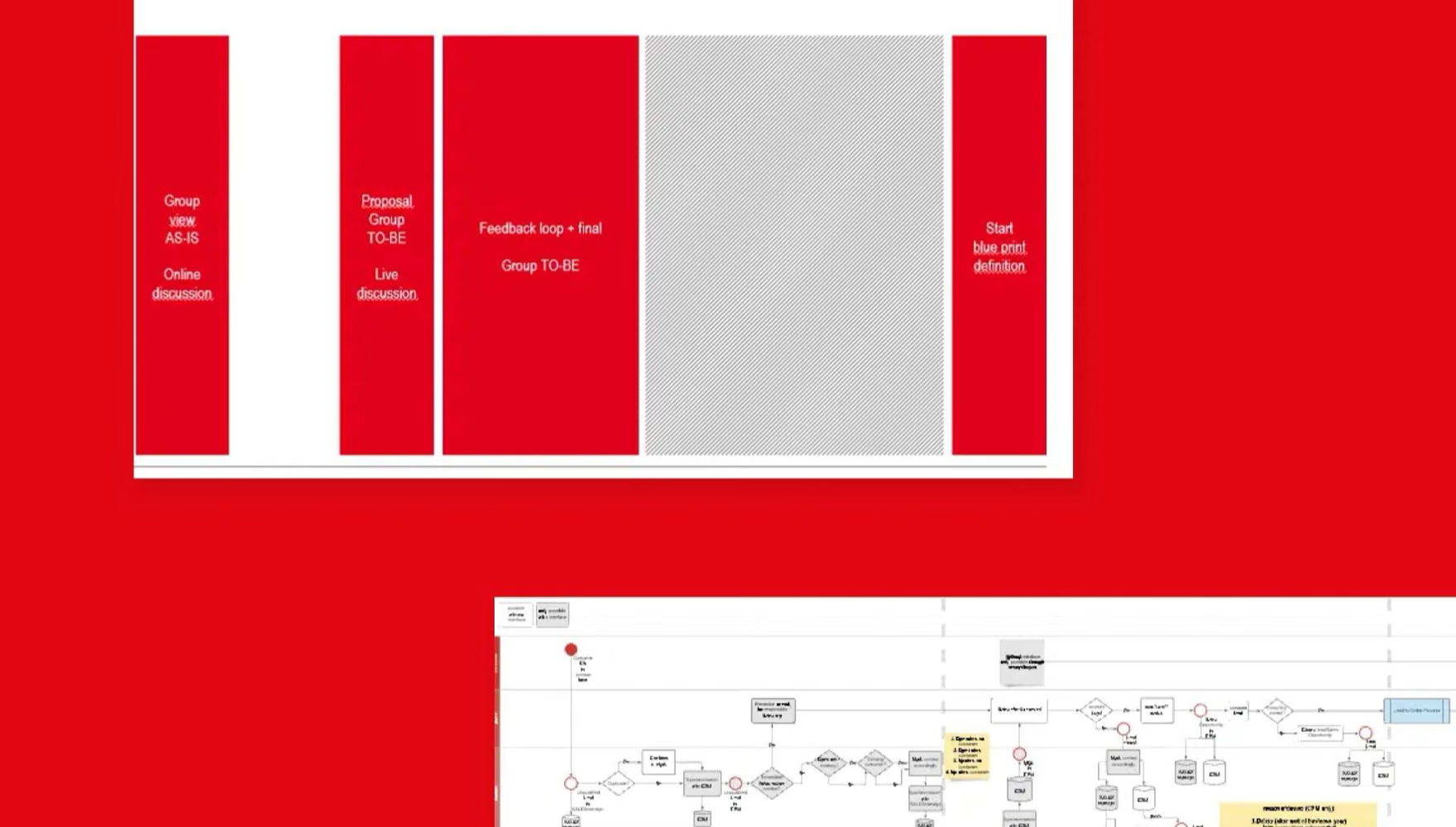
One target process
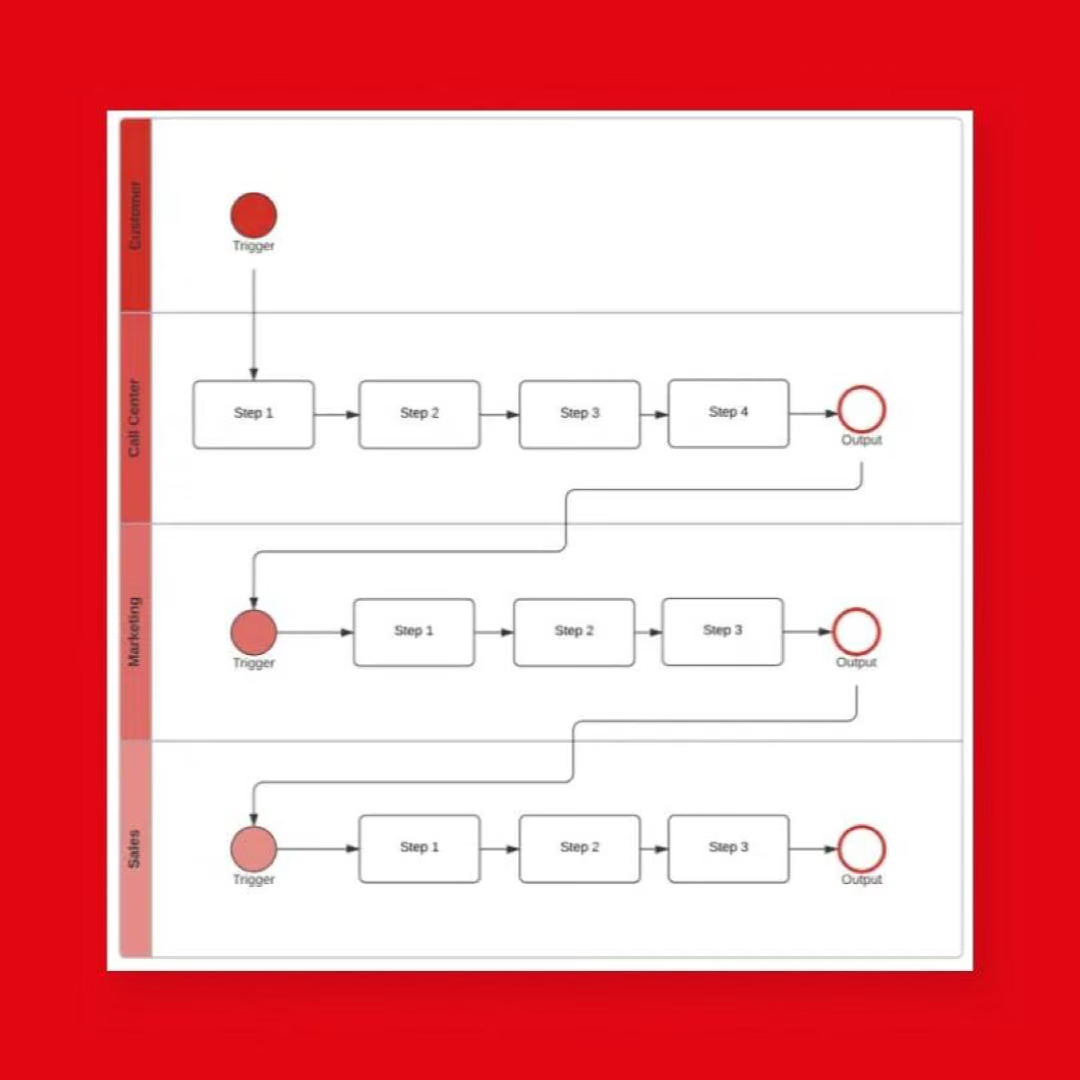
A single standardised target process was developed out of what the countries described.

Central and digital
The target process was built for a central, digital and complete data basis.
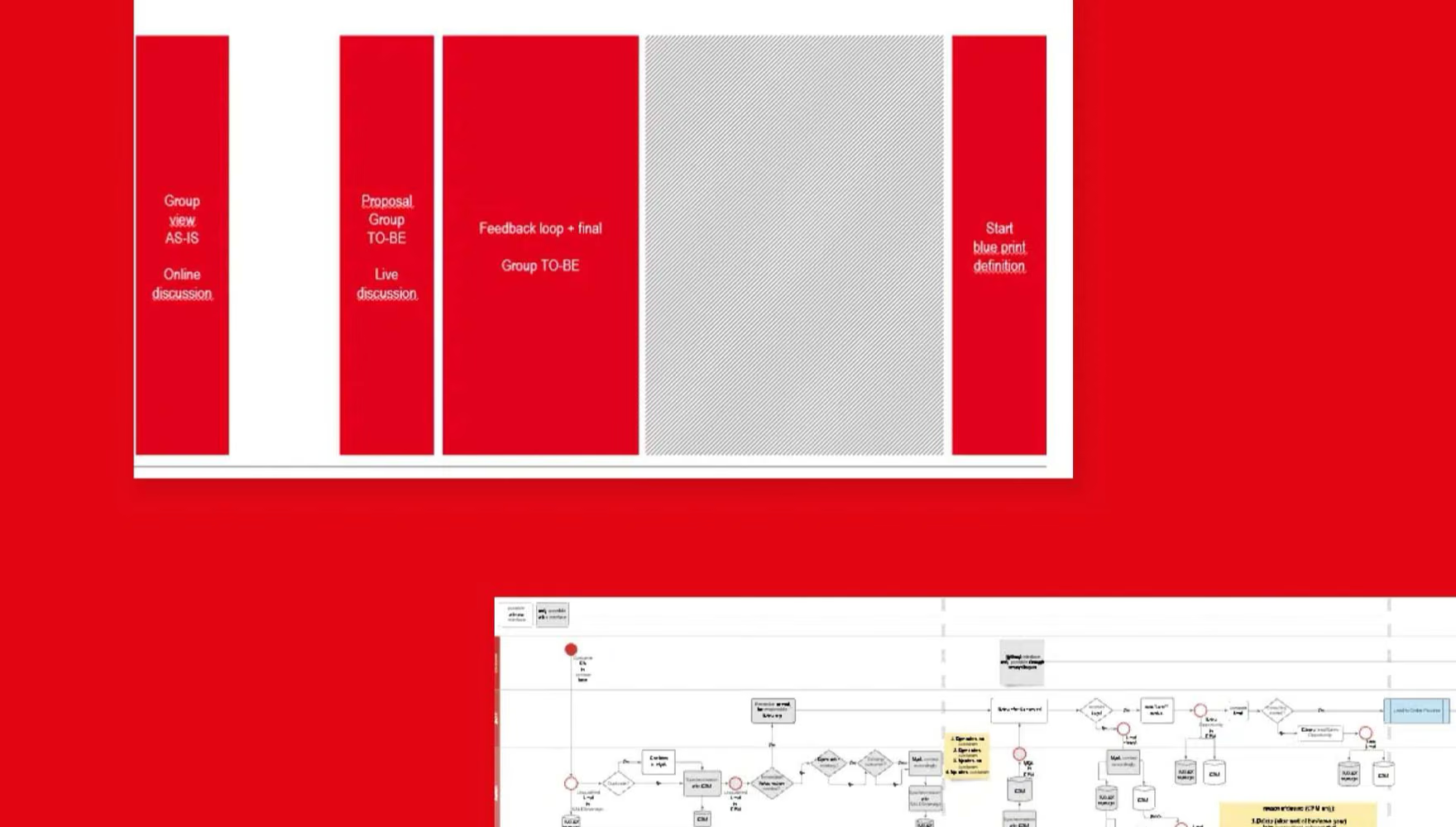
Written to be checked
The as-is summary was produced in German and English so every subsidiary could recognise its own work in it.
The group got a description of its own processes it could argue with.
The as-is processes were written up in German and English, so every subsidiary could check its own
The summary exists in both languages because the people who had to confirm it do not all work in one. It describes what each national company actually does, in the words that company uses.
A common set of lead-management terms was defined, so comparable figures became definable
Comprehensive reporting was out of reach because the data is not maintained uniformly and digitally and many steps are done by hand. Neither of those was changed here. What the agreed terms give is a basis on which a comparable figure can be defined in the first place.
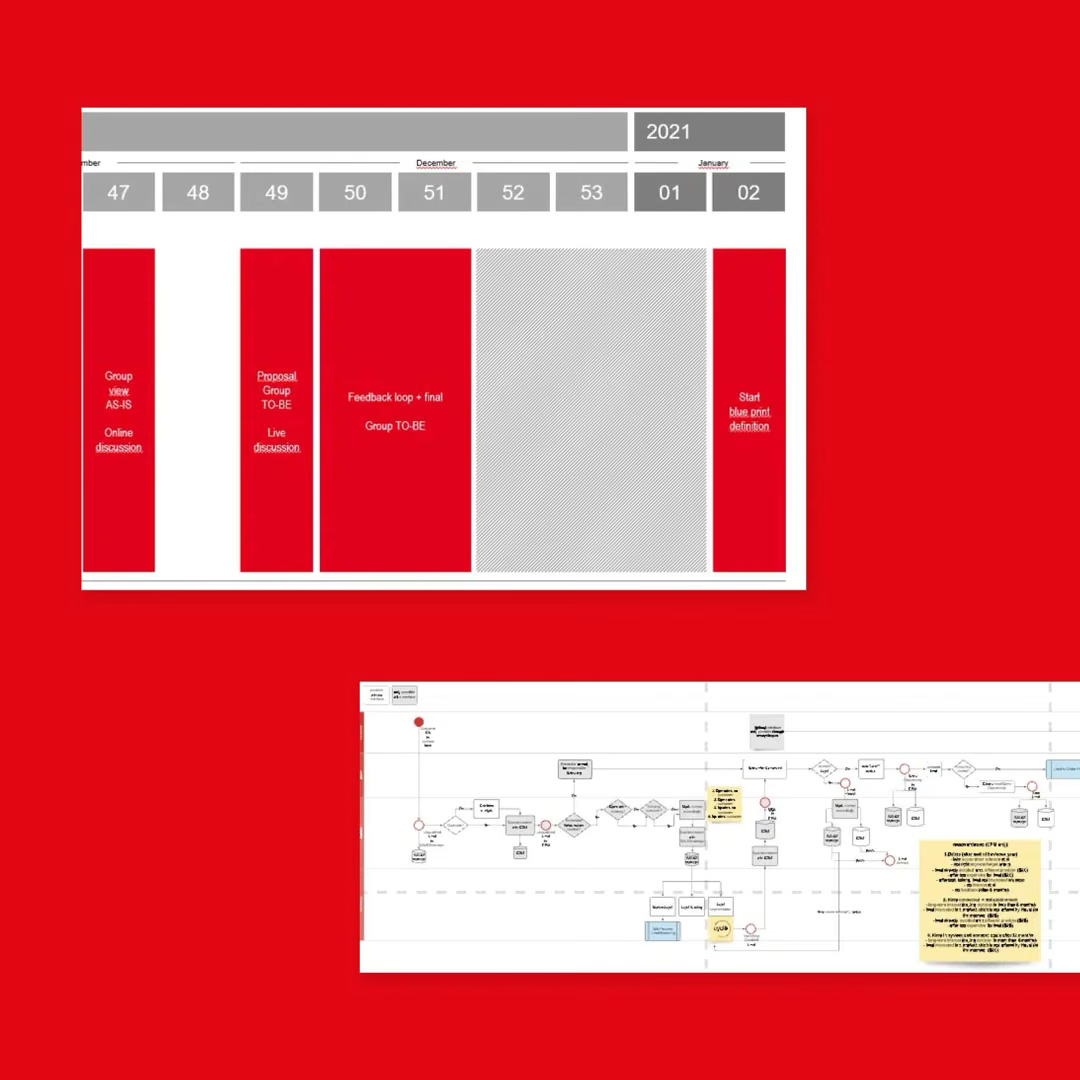
As-is and target processes were visualised and revised repeatedly, so the target process was agreed rather than announced
The visualisation went back and forth in close exchange with all project participants until it matched what people actually do.
An action plan closed the work, so implementation had a starting point
The plan sets out the steps for implementing the target process. What it does not do is start them: the engagement ended with the plan.
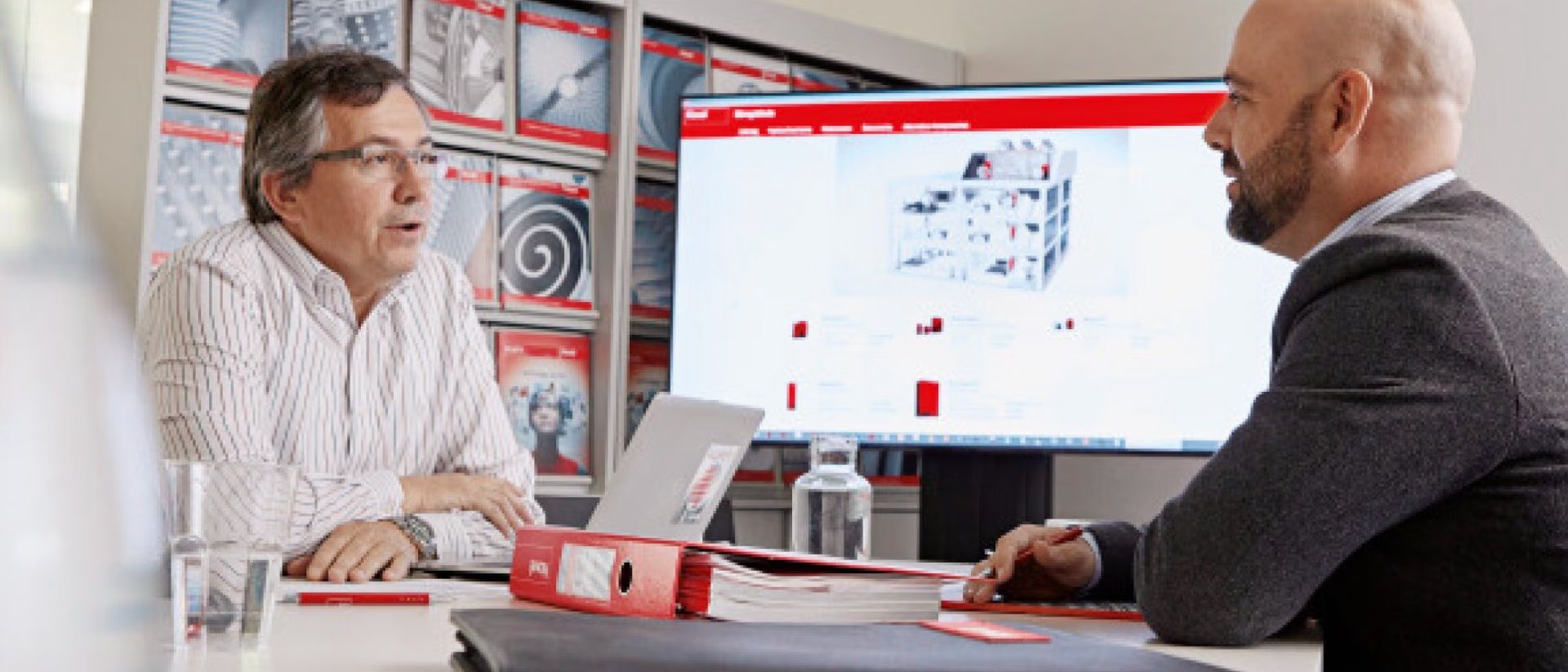
Hoval ended the engagement with its own processes on paper.
At the end of the engagement Hoval had four things: a summary of its as-is processes in German and English, a defined set of common lead-management terms, a visualisation of the as-is and the target process, and an action plan for implementing that target process.
Three things carried it: workshops and interviews with participants in different positions and from different countries, analysis of the various lead sources and marketing measures already in use, and a process visualisation revised repeatedly in close exchange with everyone involved.



The Agentic Growth Stack in four phases.
Four phases that build on each other. Each one ends in something usable rather than a presentation — a roadmap you can budget, a platform in production, an operation the team carries, and agents working inside the process.
Plan
We establish where you stand, sharpen the goals and set a roadmap that fits your data, your processes and your organisation.
Explore Plan services
Build
We build the platform: CRM, custom software and the data flows between them, properly integrated instead of side by side.
Explore Build services
Operate
We embed operations, adoption and security in everyday work, so the platform is carried by the team after the rollout.
Explore Operate services
Automate
Agents take over recurring work, monitored and measurable, with clear rules for governance and compliance.
Explore Automate services