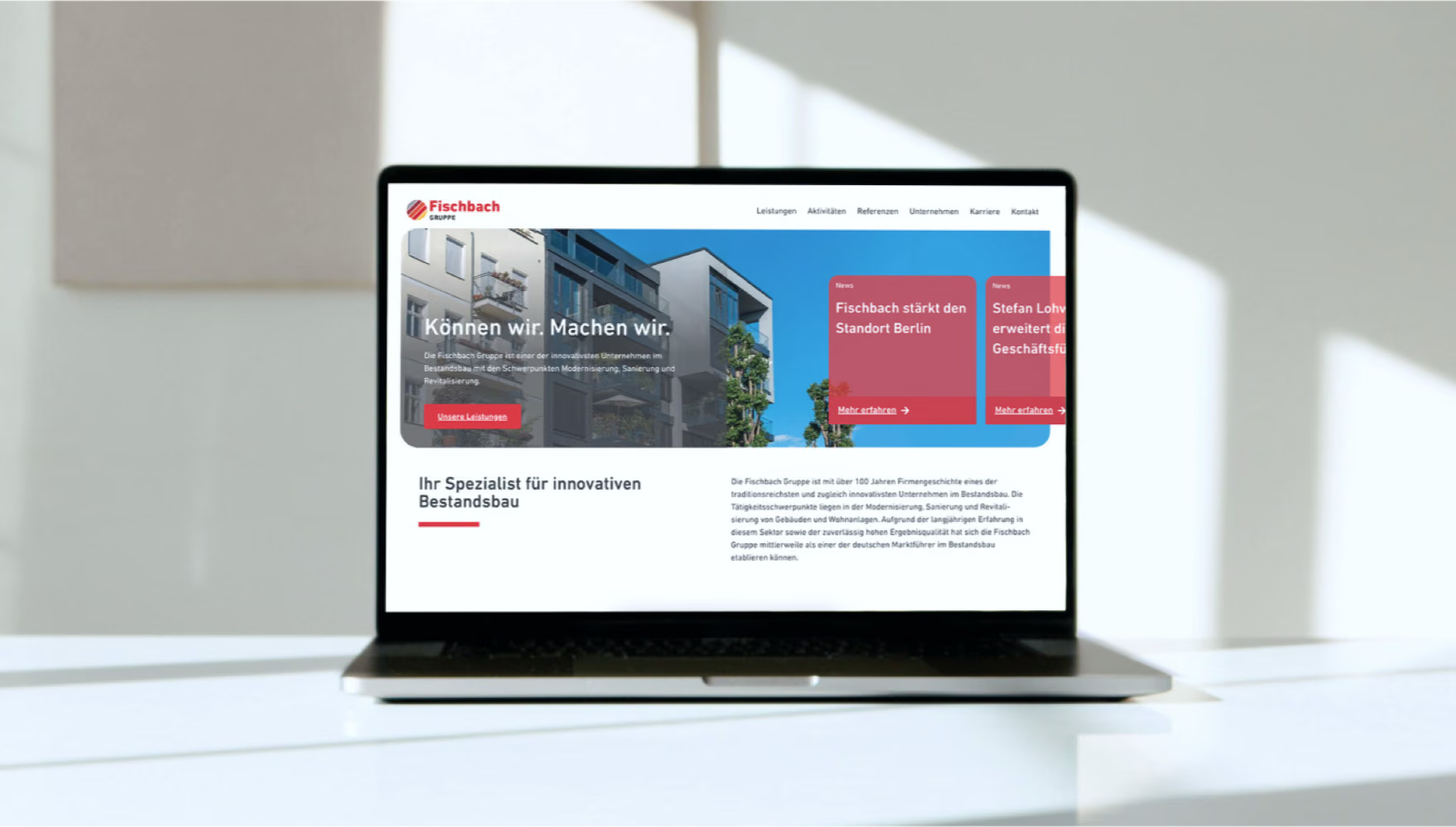
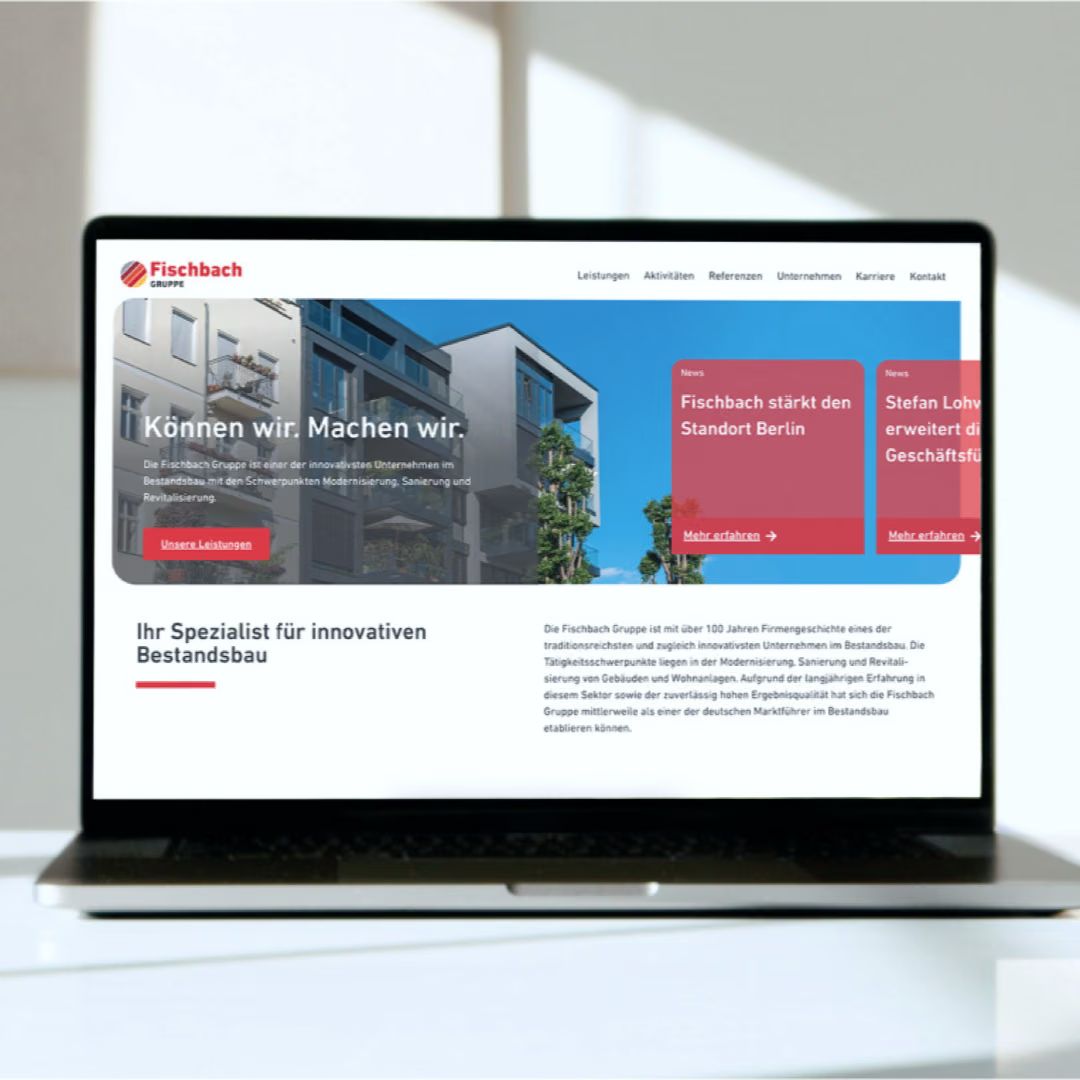
Acting in the name of several companies from one account.
Marketing went out in several companies' names, and none of it was steered from one place.
Fischbach is not one company. It is an association of construction firms focused on the modernisation, refurbishment and revitalisation of buildings, offering a modular service network, and marketing has to speak for each of them by name. Measures were run on behalf of various companies in the group, which means every contact and every data record has to end up in the right segmented list.
Before the project those activities could not be managed easily or centrally, and efficiency suffered. Lead generation, qualification and nurturing were to be made easier as part of the same project. Whatever replaced the old setup had to be usable without external IT expertise, because the people running the measures are the people who work at Fischbach.


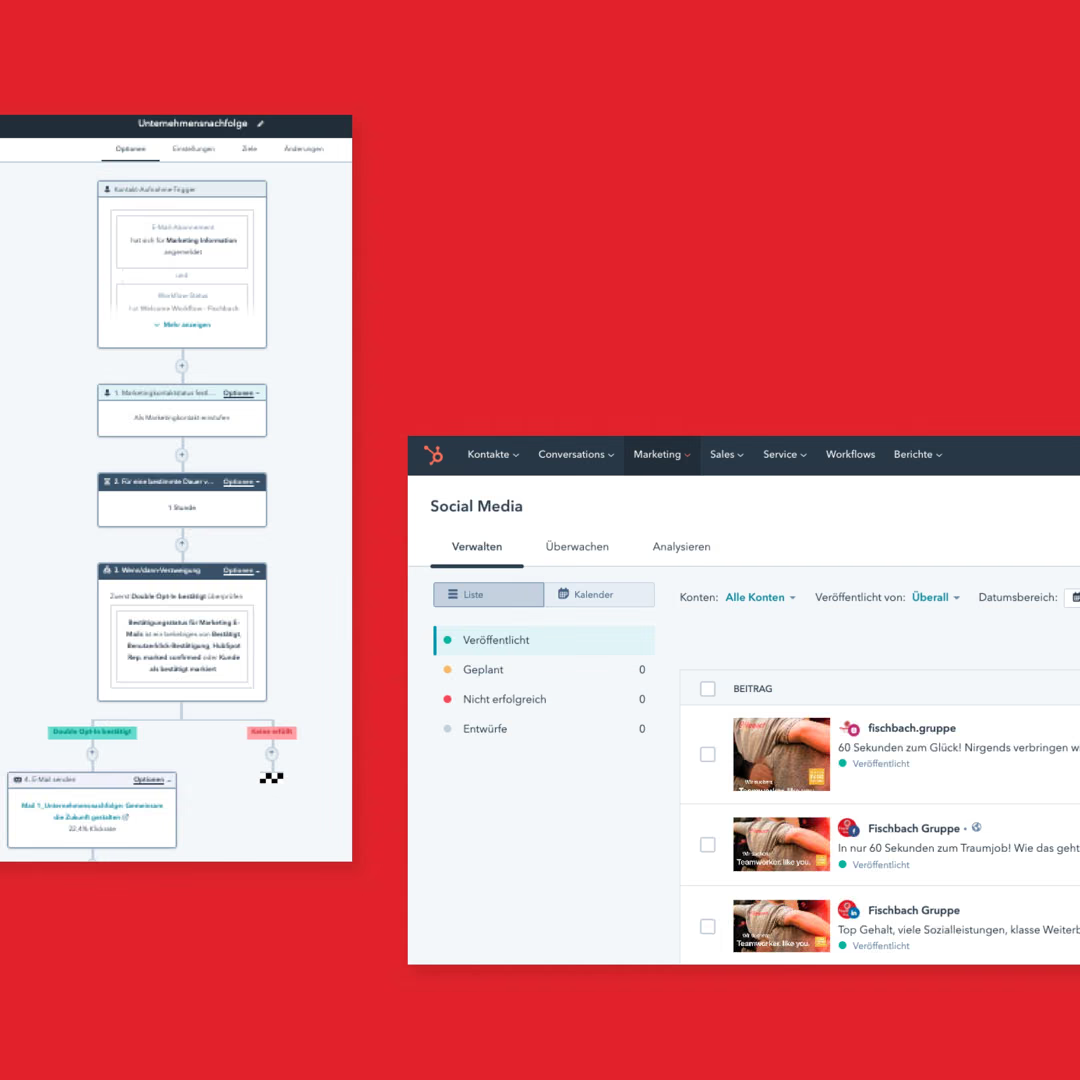


Which company a message speaks for decides where the contact lands.
Segmentation came before sending. Data and contacts are assigned to segmented lists, so a mailing that goes out for one company in the group reaches the people who belong to that company and nobody else. Get that wrong once and the group has a data problem, not a marketing problem.
One account, not one per company. Marketing, recruiting and the website were put into the same HubSpot account rather than kept apart, so a person who applies for a job and a person who asks about a project are visible in the same system.
Measures had to be implementable without external IT expertise. That was one of the stated goals, and it decides who the setup is for: the people at Fischbach who send a mailing or publish a landing page do it themselves.
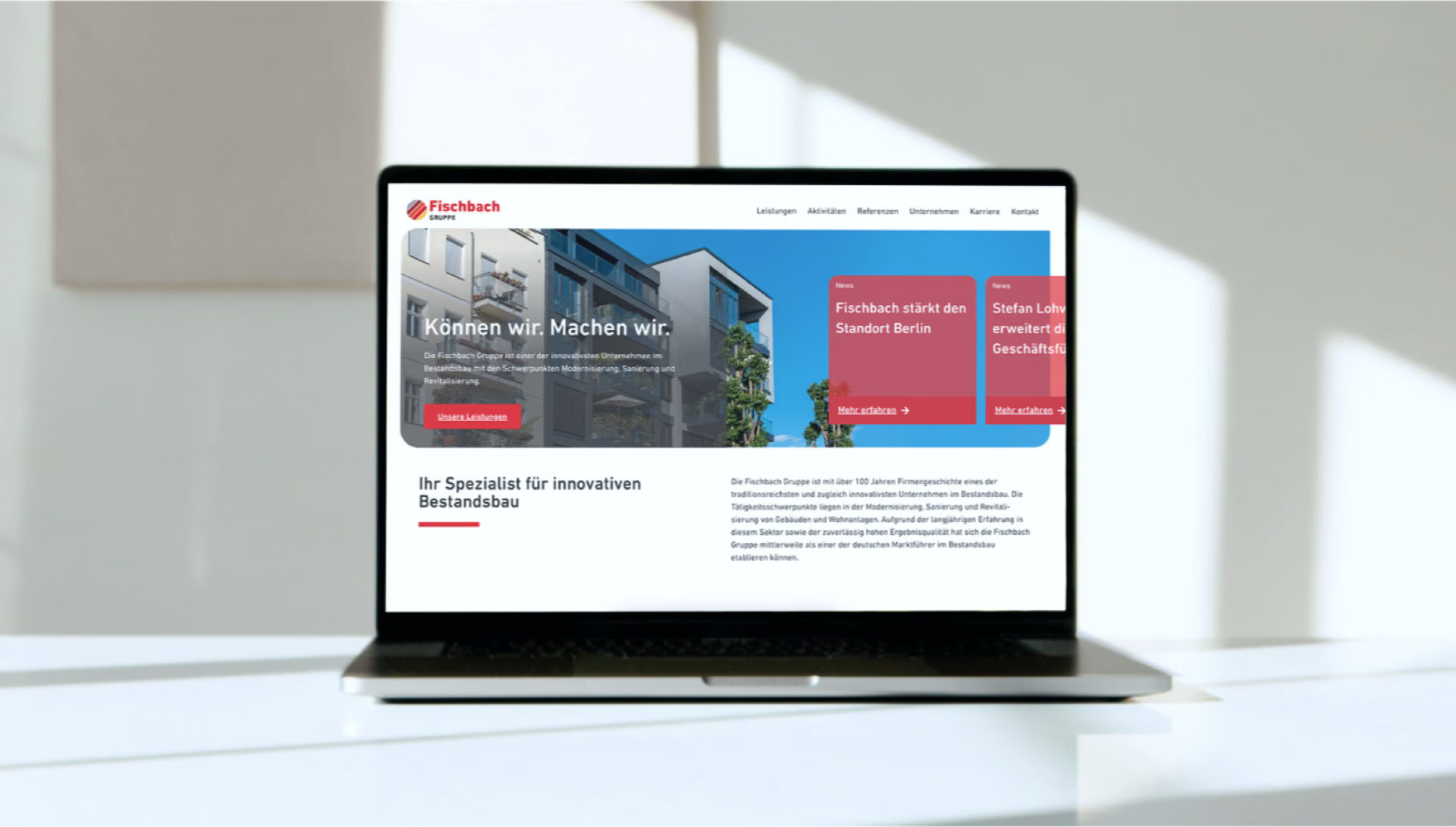
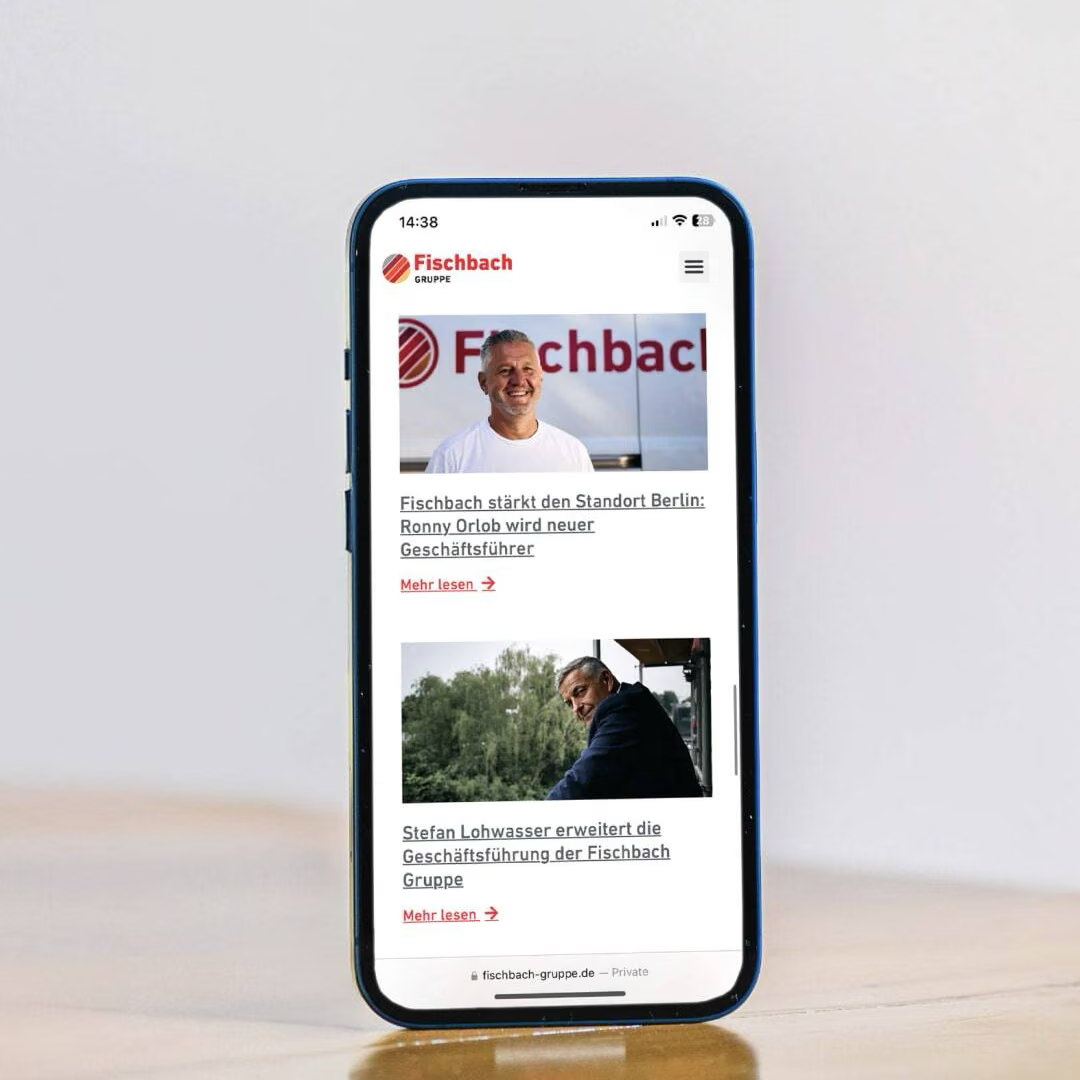
An online magazine
The group's current projects got a place of their own to be published.
Pages per audience
Landing pages were made for specific target groups instead of one page for all of them.

Right time, right content
Target groups are addressed when the content fits them, which is what the automation is for.

Internal processes too
The automation covers internal processes as well as the ones customers see.

Clear objectives, fast build
The implementation went quickly because the project team's objectives were clear.
Marketing, recruiting and enquiries stopped living in separate places.
HubSpot Marketing Hub and its e-mail module went in, so measures for the whole group run from one account
The technical integration put marketing for every company in the group in the same place. Data and contacts are assigned to segmented lists, so a message sent in one company's name reaches the right people.
An applicant pipeline tracks applications, so recruiting works the way sales does
Application processes are followed and handled semi- automatically through stages in a pipeline. HR is not a separate tool: it is the same account marketing uses.
An inquiry-management and ticketing system sits in the sales pipeline, so requests are worked rather than remembered
An enquiry becomes a ticket with a stage instead of an e-mail in somebody's inbox, and it is visible to whoever picks it up next.
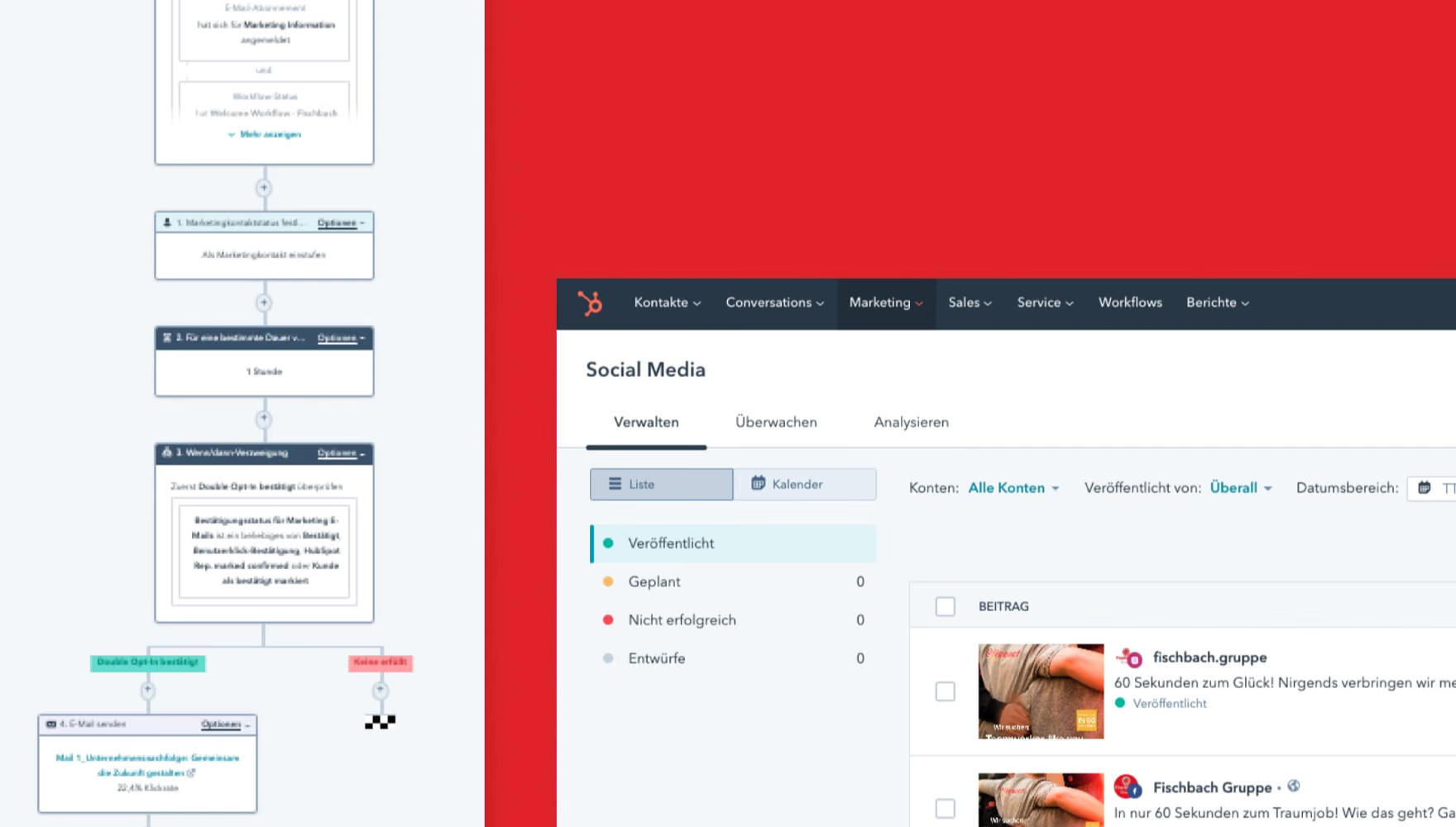
Landing-page and blog domains were linked and lead-nurturing workflows automated, so interest produces a follow-up on its own
The workflow sends what comes next without anyone starting it, and the linked domains let a page turn a reader into a contact. Publishing and lead capture sit in the same account.

Internal and external processes run without somebody starting them.
Marketing for the whole group is steered from one account. Visibility rose, internal and external processes were automated, and leads come in through automated e-mails. The project records this as a change in how the work runs, not as a set of figures.
Three things carried it: comprehensive use of HubSpot for marketing, HR and CMS; automated customer acquisition through personalised lead-generation and nurturing measures; and an implementation that went quickly because the project team's objectives were clear and the platform did not need external IT expertise to operate.





The Agentic Growth Stack in four phases.
Four phases that build on each other. Each one ends in something usable rather than a presentation — a roadmap you can budget, a platform in production, an operation the team carries, and agents working inside the process.
Plan
We establish where you stand, sharpen the goals and set a roadmap that fits your data, your processes and your organisation.
Explore Plan services
Build
We build the platform: CRM, custom software and the data flows between them, properly integrated instead of side by side.
Explore Build services
Operate
We embed operations, adoption and security in everyday work, so the platform is carried by the team after the rollout.
Explore Operate services
Automate
Agents take over recurring work, monitored and measurable, with clear rules for governance and compliance.
Explore Automate services