The world is going through turbulent times. We are recovering from the coronavirus pandemic while dealing with the consequences of the war in Ukraine and rising inflation. In such phases, companies look to cut costs in the face of higher expenses and lower revenue. Here is why cutting the marketing budget is usually the wrong move, and which strategy secures long-term success.

The art is to deploy marketing measures deliberately and in the right dose. That is how marketing succeeds in a crisis: competitors grow quieter, which gives you the opportunity to present yourself more strongly. Studies show that companies which invested in their marketing during the coronavirus crisis came through that difficult period with a profit.
Choosing the right marketing measures
Start by analysing your existing marketing activities. Pay particular attention to whether they actually serve your goals, for example in terms of lead generation. Ask yourself whether the message is still current and relevant to your audience during the crisis. An analysis like this shows which channels and campaigns work best for your company and genuinely reach the audience. In economically difficult times it is essential to set priorities and to stop putting money into weak campaigns.
“A good web presence stays in the customer’s memory and lowers the bounce rate.”
It is no secret that your web presence is the key to success. Make sure your landing page is clear and that your website or online shop is easy to use. It also conveys a professional and stable impression, which matters to customers particularly in a crisis.
Search engine marketing
If search engine marketing is already part of your online marketing mix, it makes sense to review your campaigns for relevance. A crisis can throw up new search queries that fit your product or service. Use the Google Keyword Planner to find those terms and work them into your campaigns.
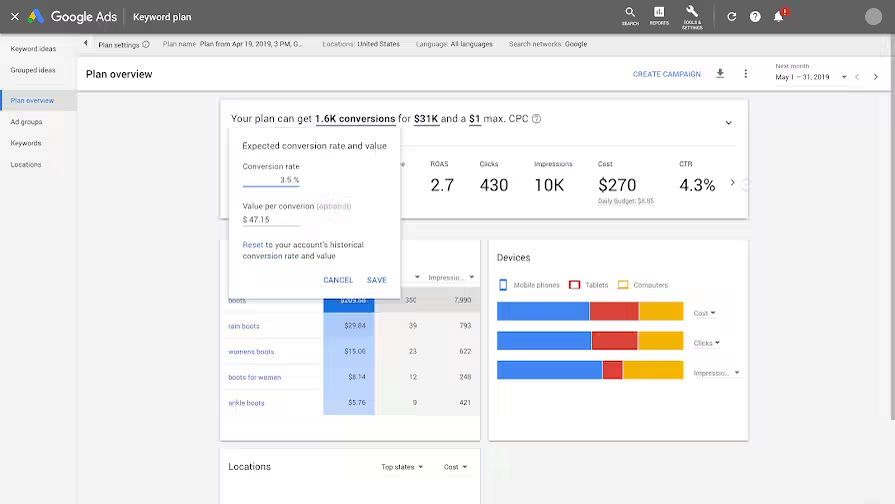
Regular review is especially advisable if you use automated bidding strategies, dynamic campaigns and dynamic ads. The algorithm does not cope well with the rapid changes and swings in performance that a crisis brings.
Social media marketing
Social media matters a great deal for marketing in a crisis. Social networks let you enter into direct exchange with your audience and create closeness to your customers. Posts with relevant content that offers genuine value to prospects work well here.
The great advantage of social media in a crisis is that you can run campaigns for customer acquisition or lead generation without large budgets. In B2B you can achieve organic reach through employee advocacy programmes and put your company’s expertise front and centre. In B2C, community campaigns and user generated content offer cost-efficient measures.
Content marketing
Your content gains even more importance in difficult times. In a crisis it pays to think outside the box. Content marketing aims at long-term success, achieved sustainably through SEO. Secure a place in the customer’s memory by emphasising your unique selling point creatively. Draw a connection between your company and the current situation. That way you offer readers relevant value and support for their present challenges.

With good content marketing in a crisis you can draw consumers’ attention to a problem, awaken a need or create awareness of an issue for the first time. In doing so you set an anchor that the reader remembers during the buying process, and that decides them in favour of your product or company.
Invest in your existing customers
In unstable times you do not want to lose what you have already won. It is therefore important that your marketing aims at retaining existing customers. Trustworthy, personalised communication with your customers is decisive here. Convey that you are there for them and that you understand their problems and concerns.
Using a CRM system and marketing automation lays the decisive foundation. It gives you a 360° view of your contacts and lets you make fitting offers based on their interests and activities. You might, for example, tell them about new updates or events that match the products and services they have already bought.
Conclusion
Marketing in a crisis is an essential foundation for staying present and successful in the market. What matters is understanding the current situation and the problems and changes it brings for your audience. You can then adapt your marketing strategy to strengthen customer loyalty for the long term and win new customers.