Running marketing in several languages from one platform.
Social media, e-mail and automation, each steered on its own.
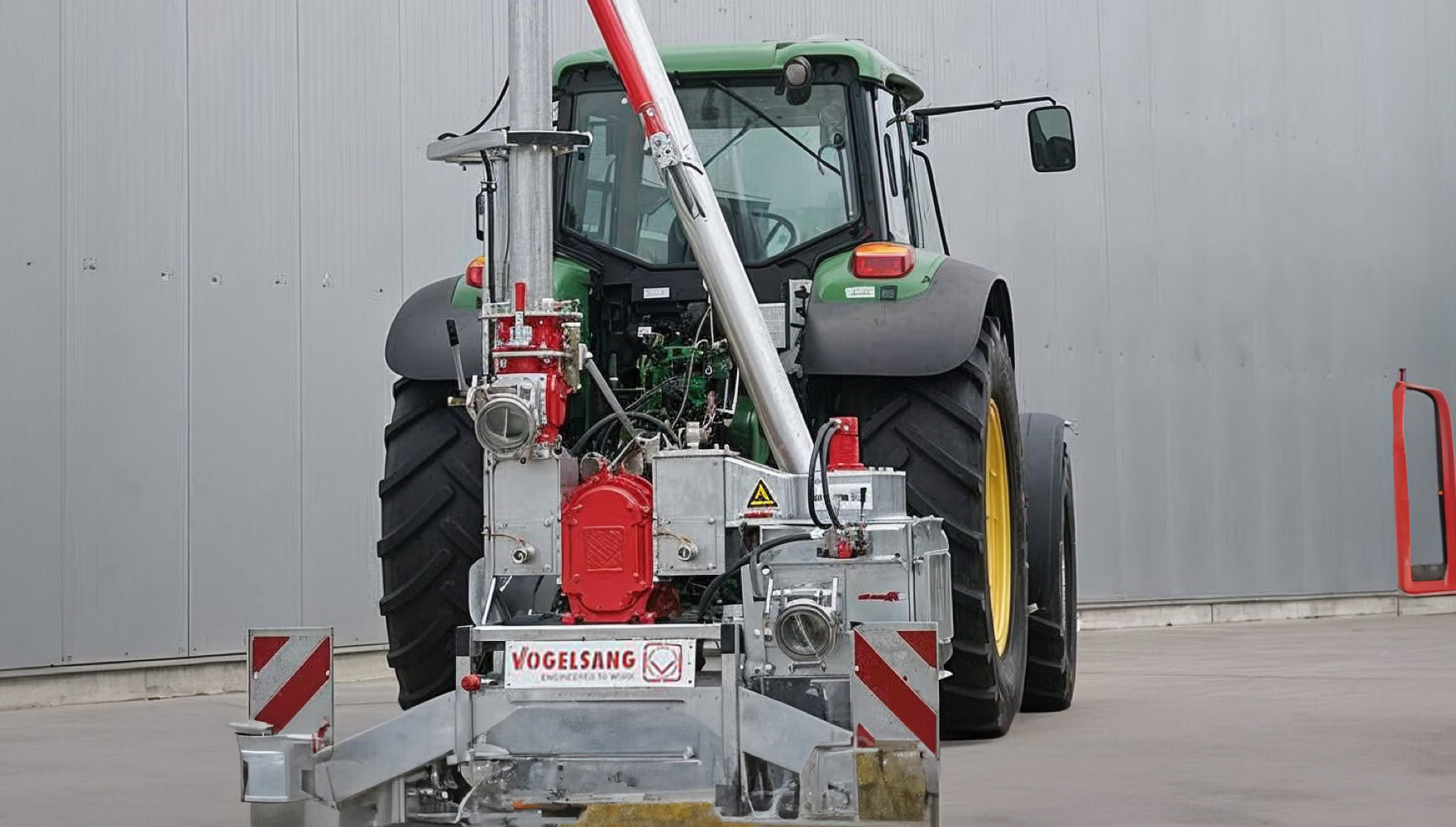
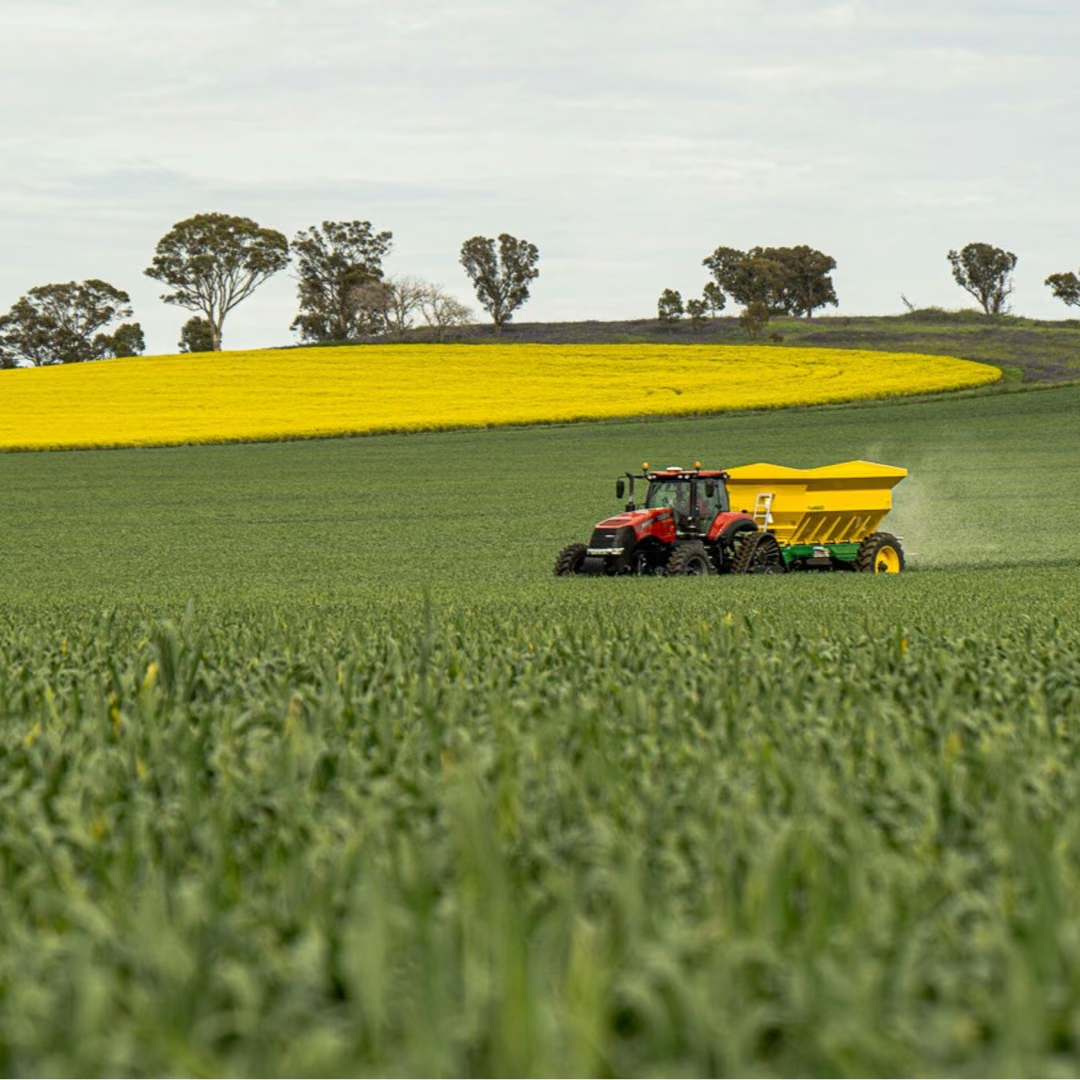
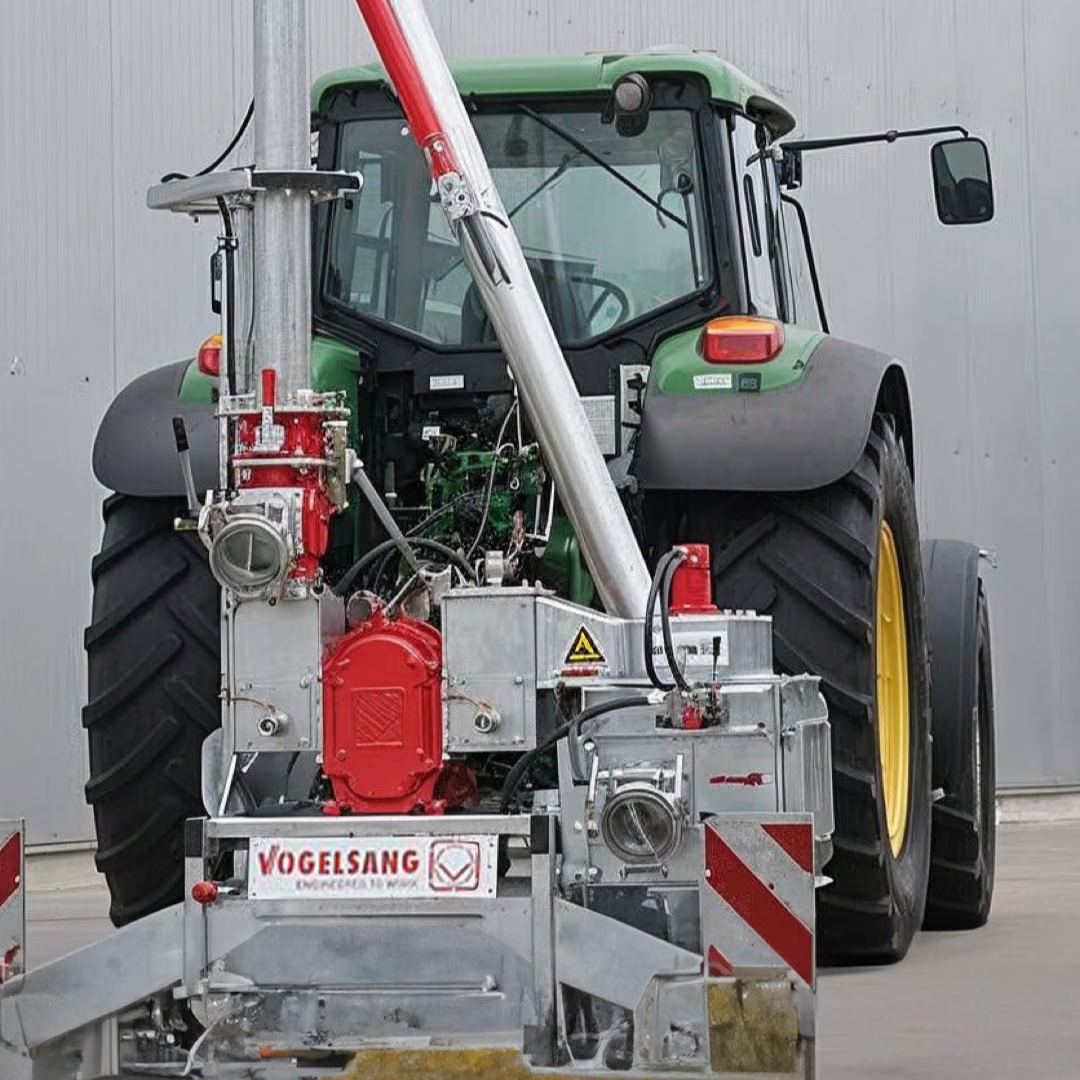
Vogelsang is an international pioneer in pumping, shredding, spreading and biogas technology, with products in agricultural technology, industry, waste water, biogas and transportation technology under its own claim: LEADING IN TECHNOLOGY. Marketing ran across social media, e-mail and marketing automation, but every measure was steered and reported on its own, and simplifying that was what the project was for.
Three conditions were set before anything was built. The implementation had to be compliant with data protection law. Every measure had to roll out internationally without being rebuilt for each market. And the marketing automation system needed an interface to the CRM, which was treated as essential rather than desirable: without it, marketing and sales are not working off the same contact.

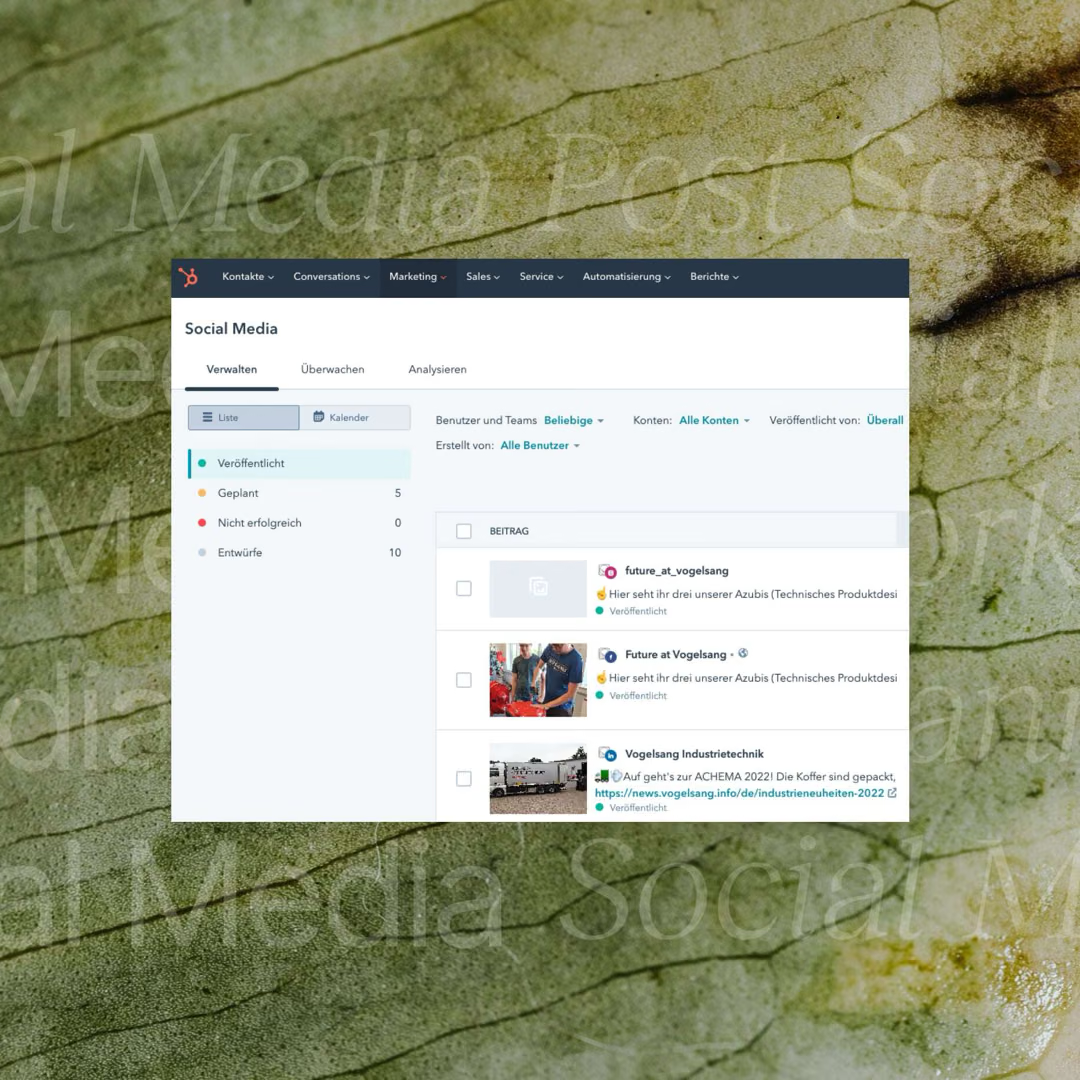

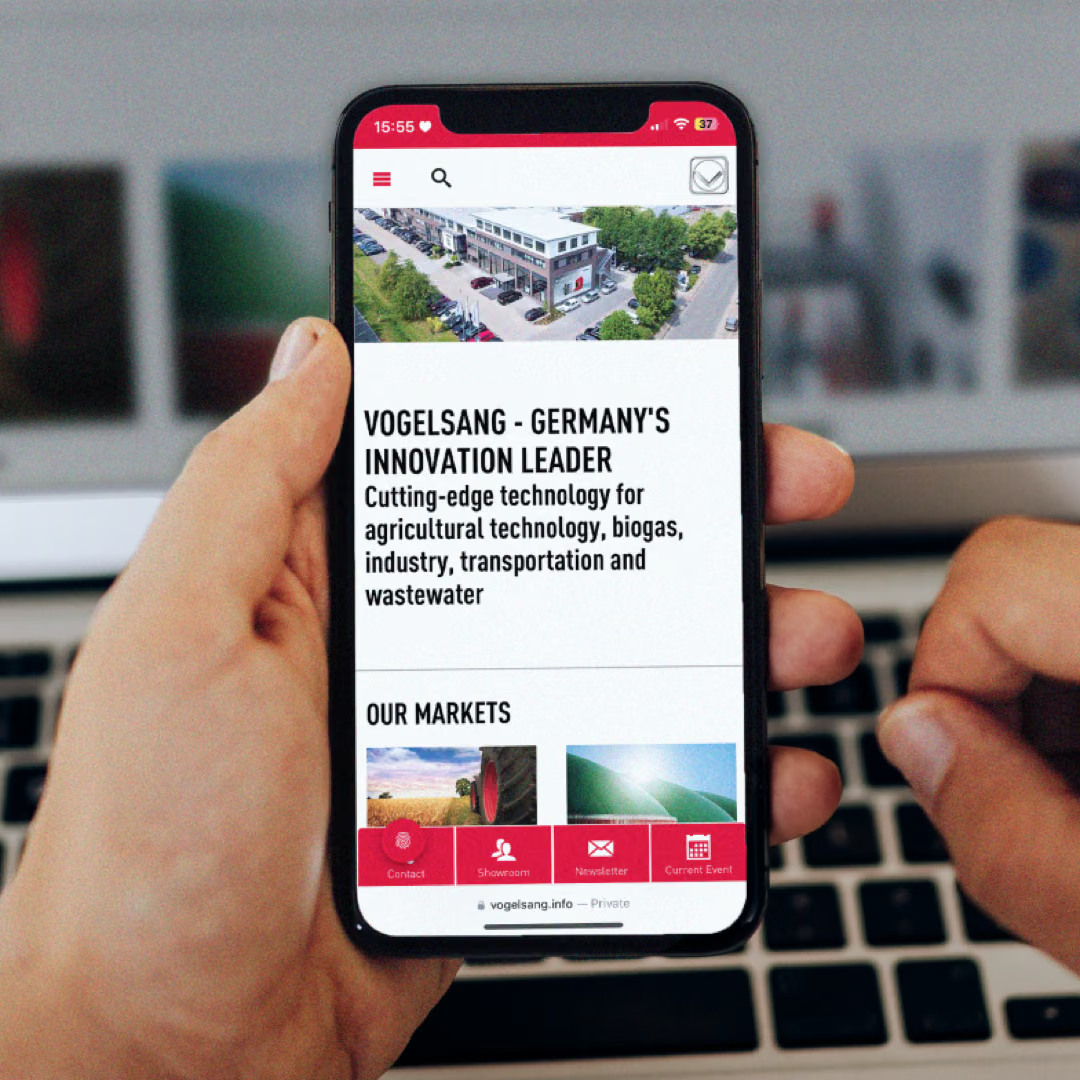
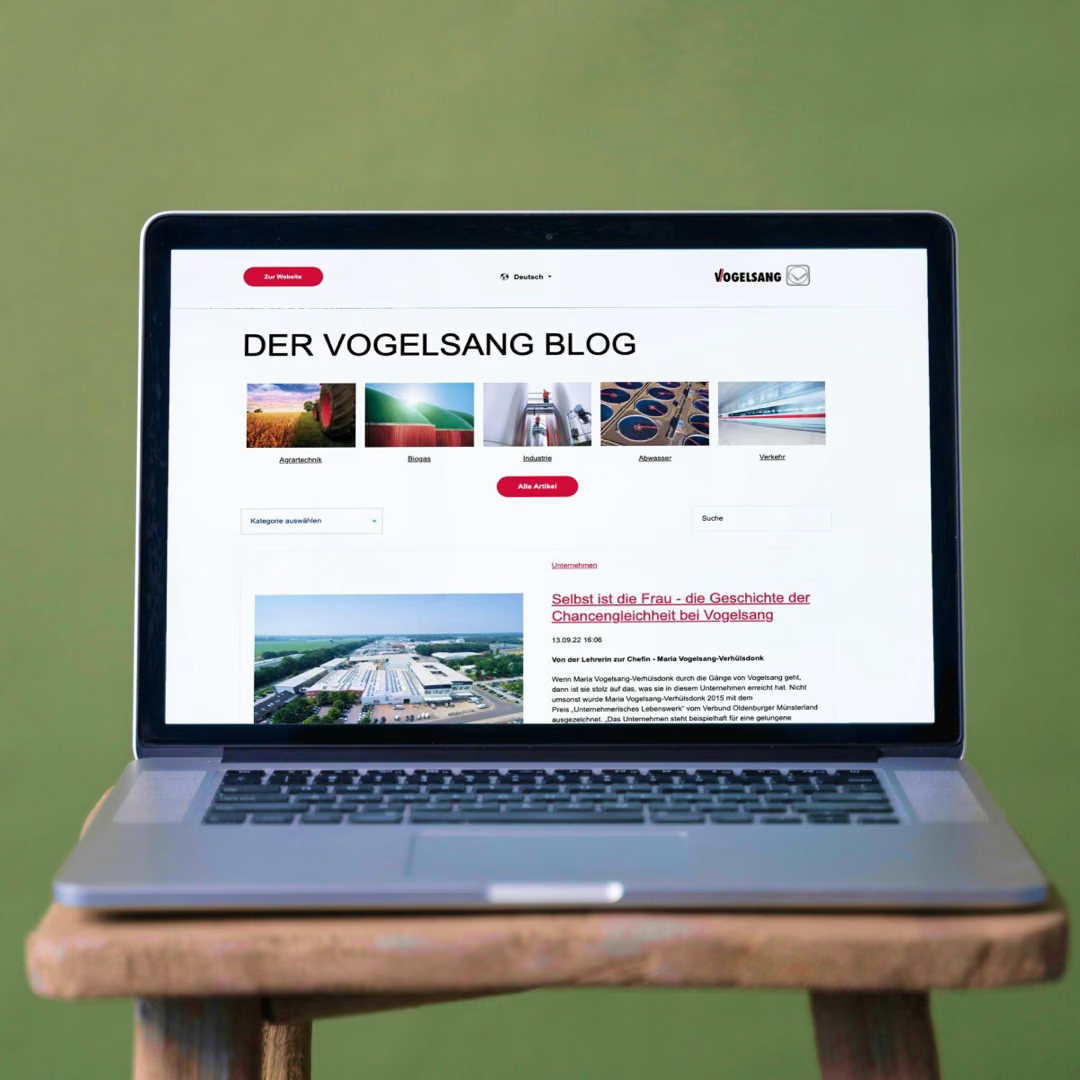
The requirements were written down before the tools were compared.
Requirements first, then the comparison. A structured tool comparison measured the candidates against what Vogelsang actually needed - data protection, international rollout, an interface to the CRM. The goal the project was given was the introduction of HubSpot Marketing Automation; the comparison is named as one of the factors that carried it.
Personas before campaigns. A customer-journey workshop and persona work settled who is being addressed and at what point, so that reaching a segment at the right time with the right content describes a thing that can be built instead of a thing that sounds good.
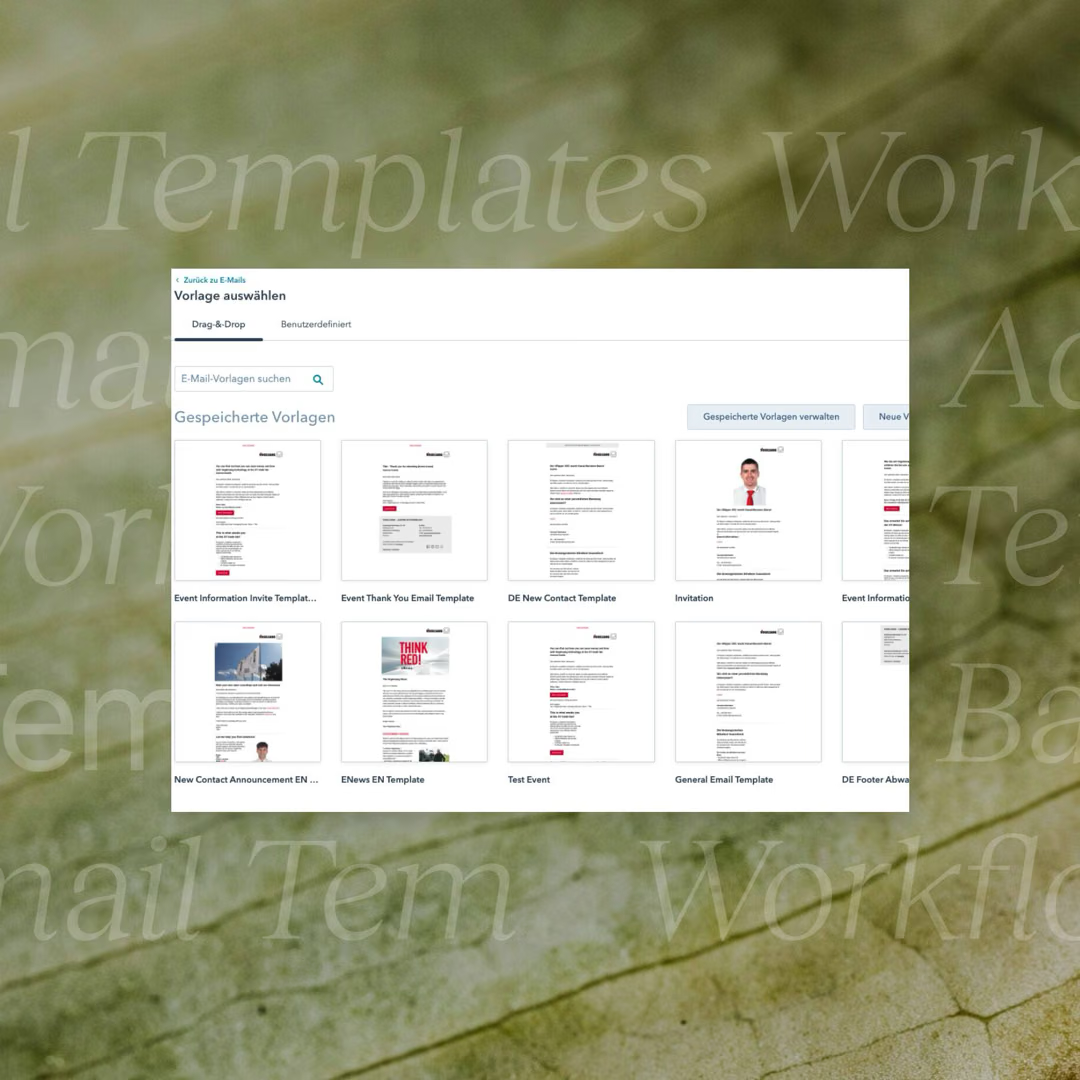
One design, several languages. A landing page design was created so a campaign can be put together quickly, and e-mail templates were built multilingual from the start. A further language is then an adaptation of what exists, not a second build.
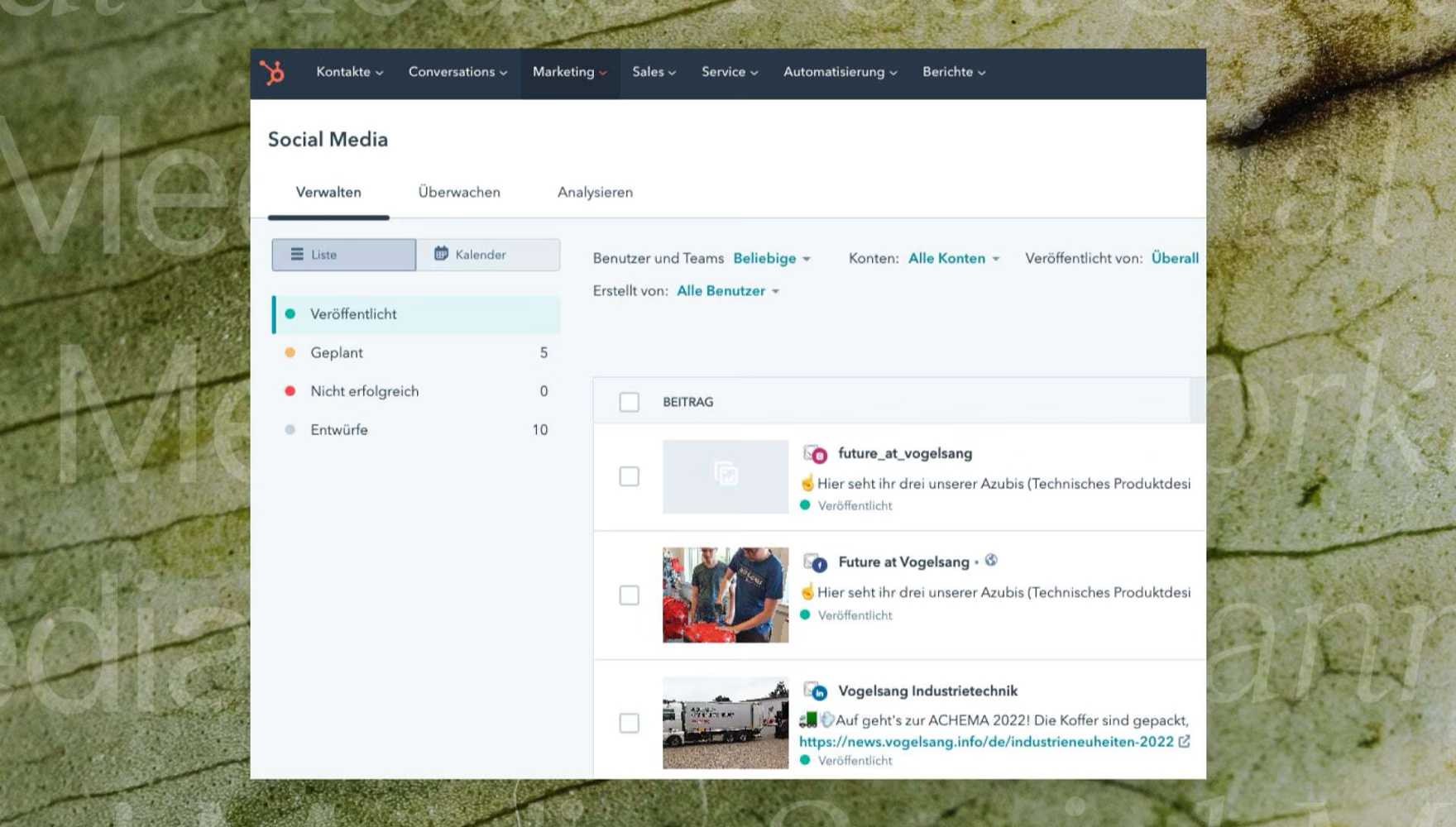
Journey mapped first
A customer-journey workshop opened the project, before anything was configured.
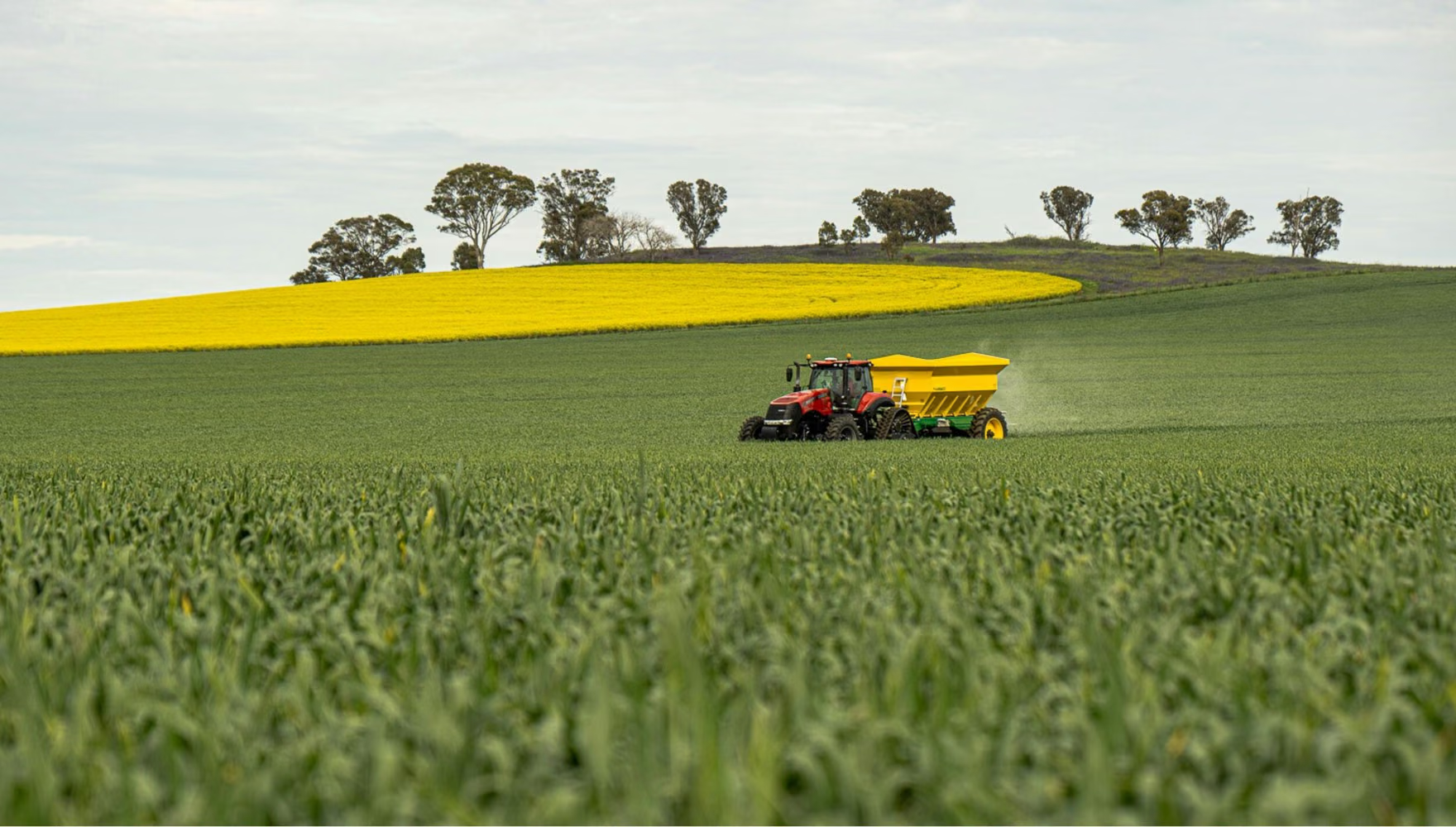
One place to steer from
Social media, e-mail and automation were bundled into central control and reporting.
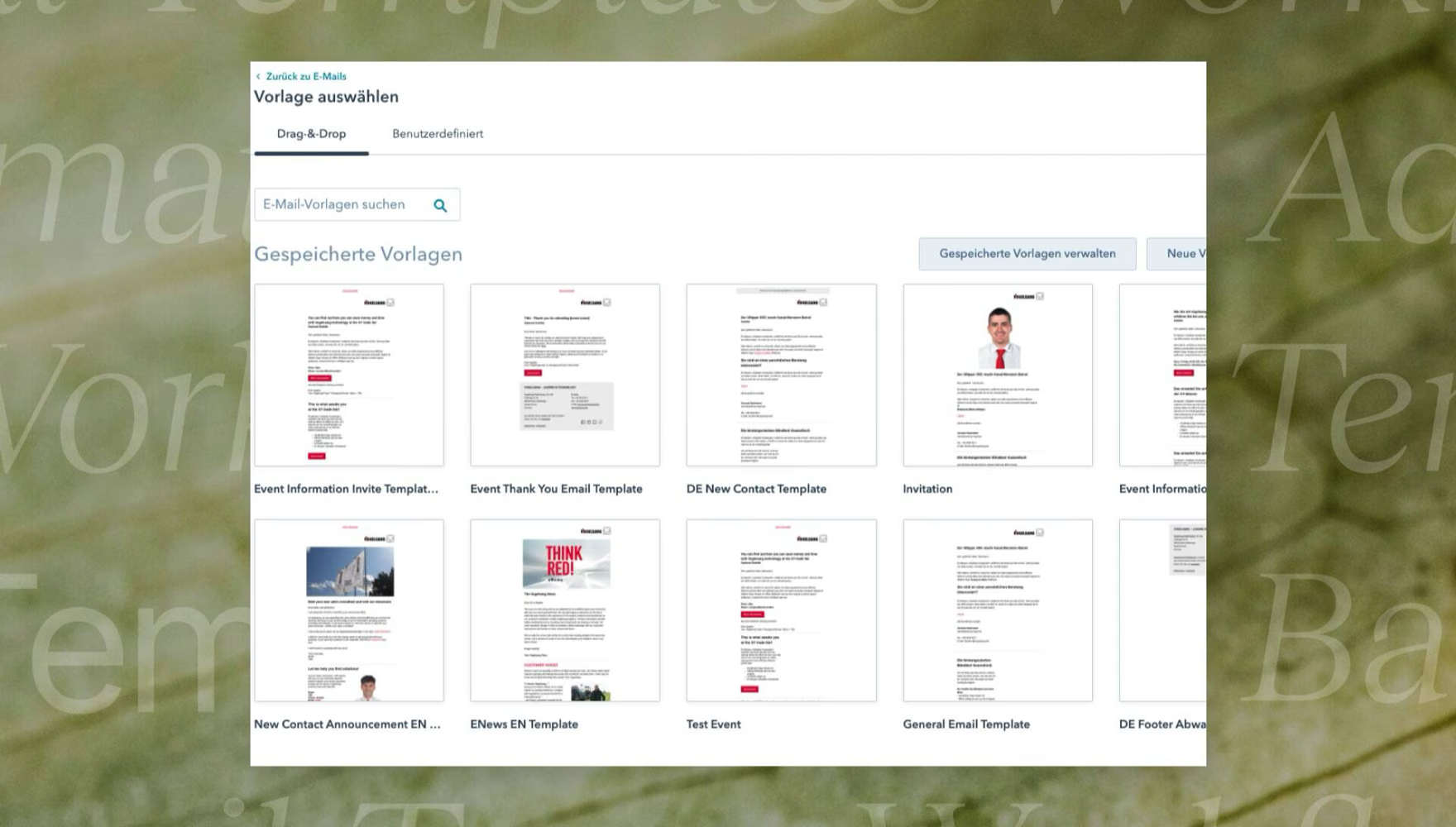
Right time, right content
Target segments get addressed when the content actually fits them.
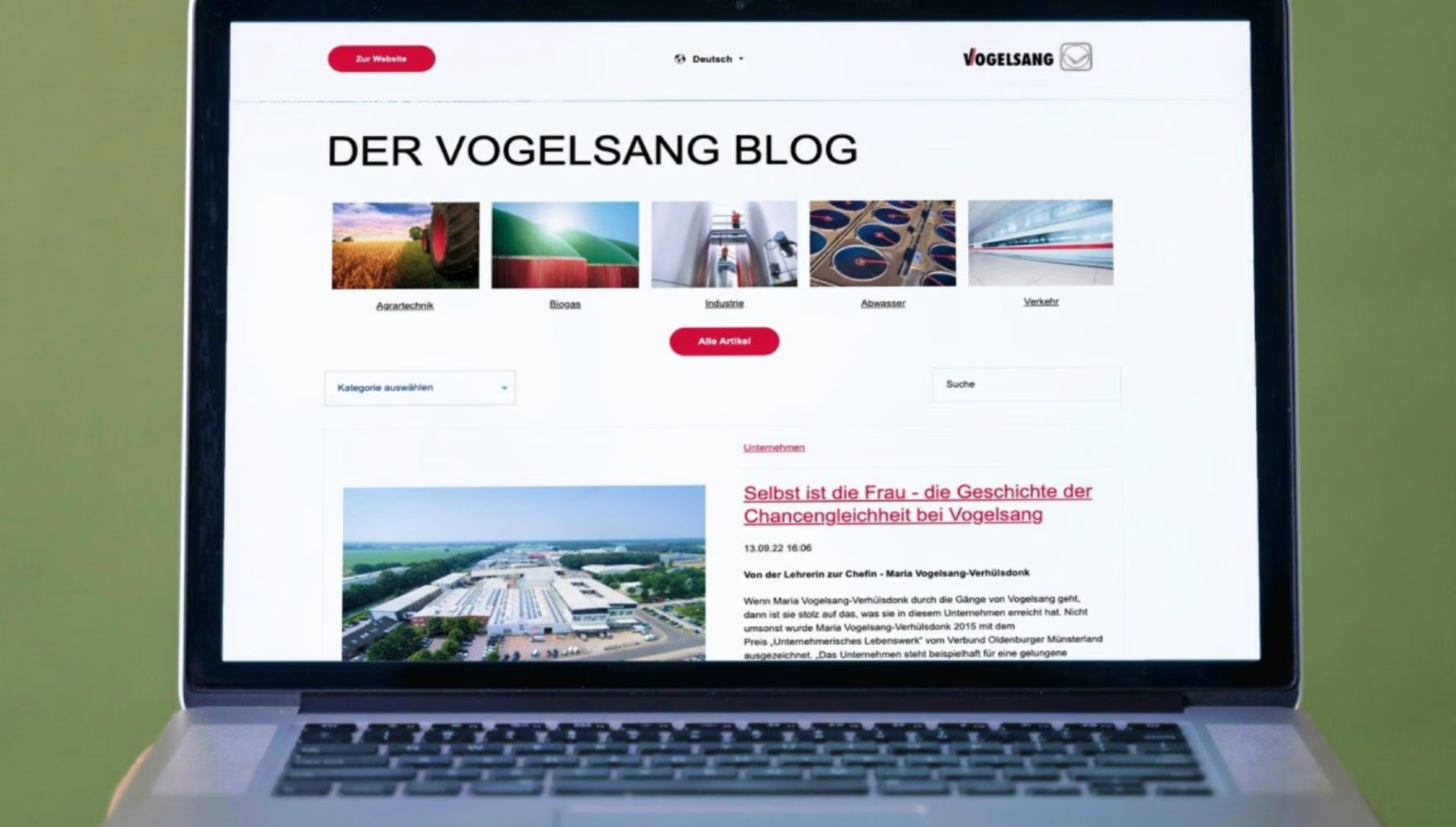
Information when asked for
On the CRM side the goal was personalised information and a way to get in touch.
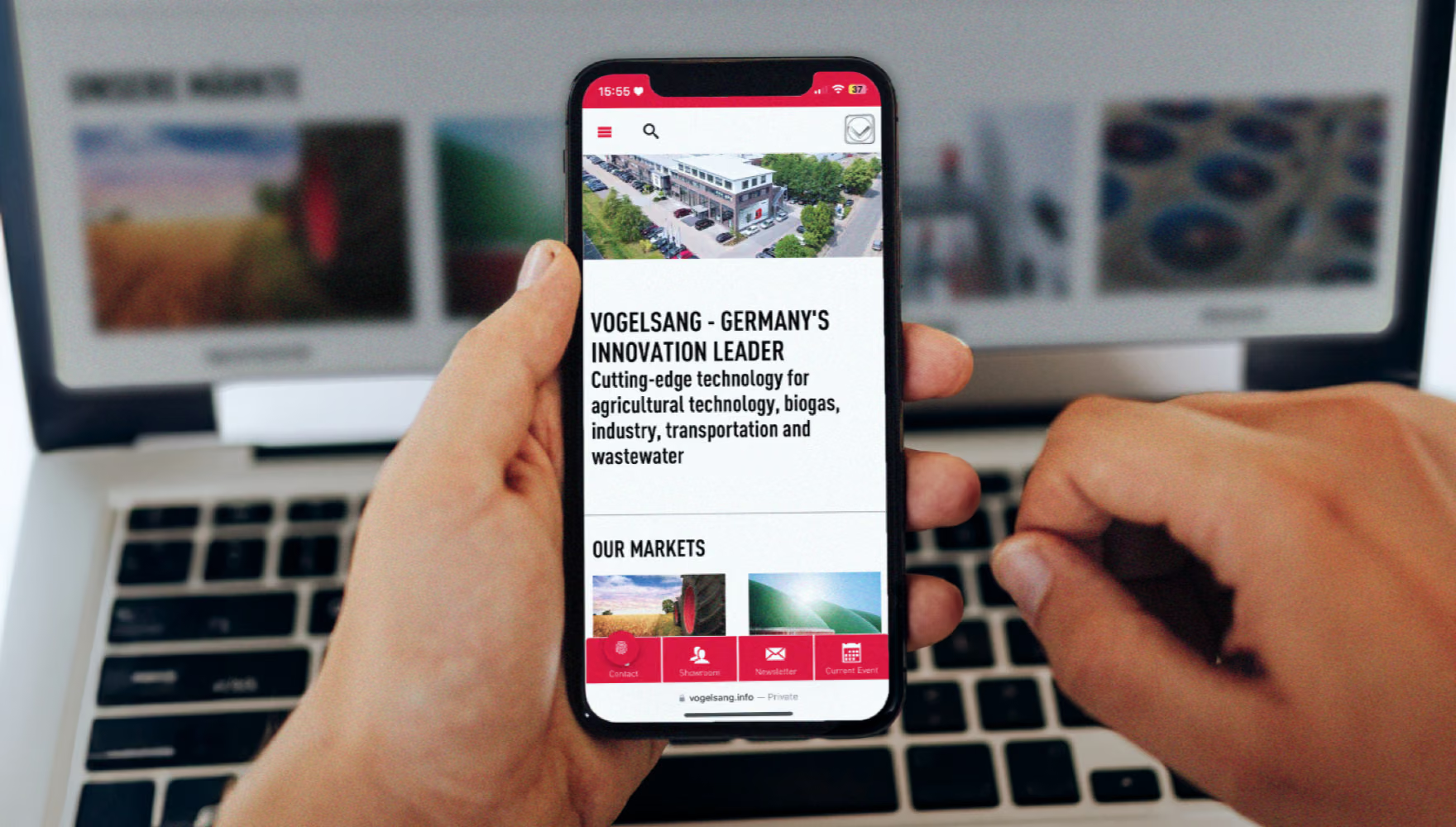
Content for the channels
Content was produced for landing pages, the blog and social media.
Marketing got one place to run from, and sales got told.
HubSpot Marketing Hub Enterprise connected to the existing systems, so automation and the CRM share one contact
The interface between the marketing automation system and the CRM was a condition of the project, not an addition to it. It is what lets marketing and sales work off the same record instead of two.
Multilingual e-mail templates and campaigns, so a language is an adaptation rather than a rebuild
Newsletters and campaigns are set up to be carried across languages. That is what turns an international rollout into configuration work.
An online magazine, “Think Red”, built on HubSpot's blog function, so content and lead generation sit on one platform
The magazine was conceived and set up as part of the project. Its domain and the landing-page domain are linked, so a reader can become a contact without leaving the system.
A workflow that assigns incoming contacts and sends sales alerts, so an enquiry does not wait to be noticed
Contact assignment runs as a rule, and the alert to sales goes out with it. Nobody has to check a list to find out that something arrived.

One platform, several languages, and a magazine of their own.
Vogelsang came out with the technical basis for marketing automation on HubSpot Marketing Hub Enterprise, connected to the systems already in use: multilingual e-mail templates for newsletters, content for landing pages, blog and social media, and the online magazine “Think Red” on HubSpot's blog function. The team was trained on the platform it now runs.
Three things carried it: a structured tool comparison against Vogelsang's own requirements, personas and customer journeys that made the targeting specific, and an implementation that connected to the existing systems rather than standing beside them.





The Agentic Growth Stack in four phases.
Four phases that build on each other. Each one ends in something usable rather than a presentation — a roadmap you can budget, a platform in production, an operation the team carries, and agents working inside the process.
Plan
We establish where you stand, sharpen the goals and set a roadmap that fits your data, your processes and your organisation.
Explore Plan services
Build
We build the platform: CRM, custom software and the data flows between them, properly integrated instead of side by side.
Explore Build services
Operate
We embed operations, adoption and security in everyday work, so the platform is carried by the team after the rollout.
Explore Operate services
Automate
Agents take over recurring work, monitored and measurable, with clear rules for governance and compliance.
Explore Automate services